Follow The Money: Why Patients Should Investigate Who Is Behind Regenerative Medicine Companies

May 29, 2026

Share this article

When most people research a medical treatment, they focus on one thing:

Will it work?

It is an understandable question.


After all, patients seeking stem cell therapies, exosome treatments, extracellular vesicle (EV) therapies and regenerative medicine programmes are often looking for hope. Many are dealing with chronic illness, long-term pain, neurological disorders or conditions for which conventional medicine offers limited answers.


Yet during our investigation into the regenerative medicine sector, another question repeatedly emerged:

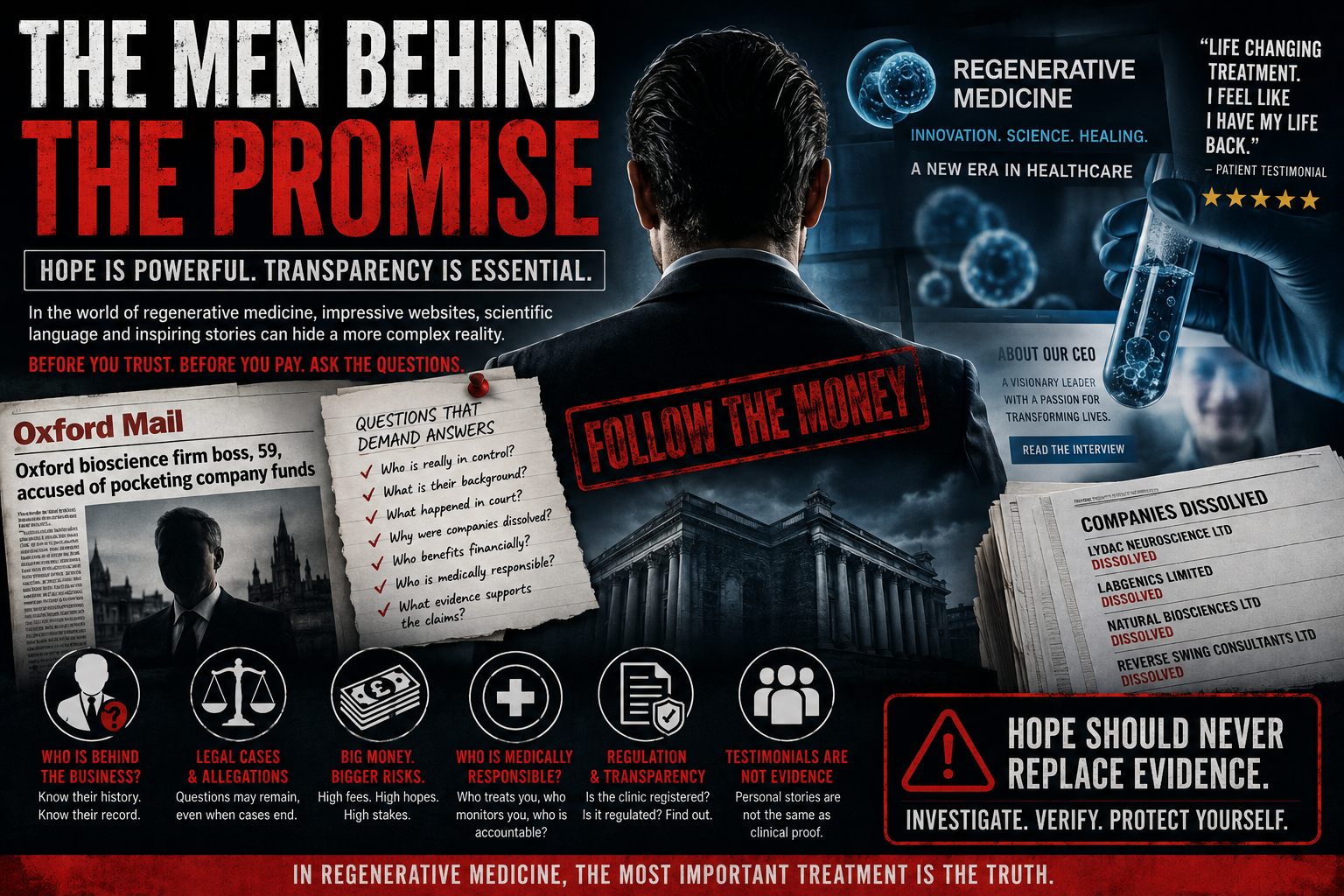
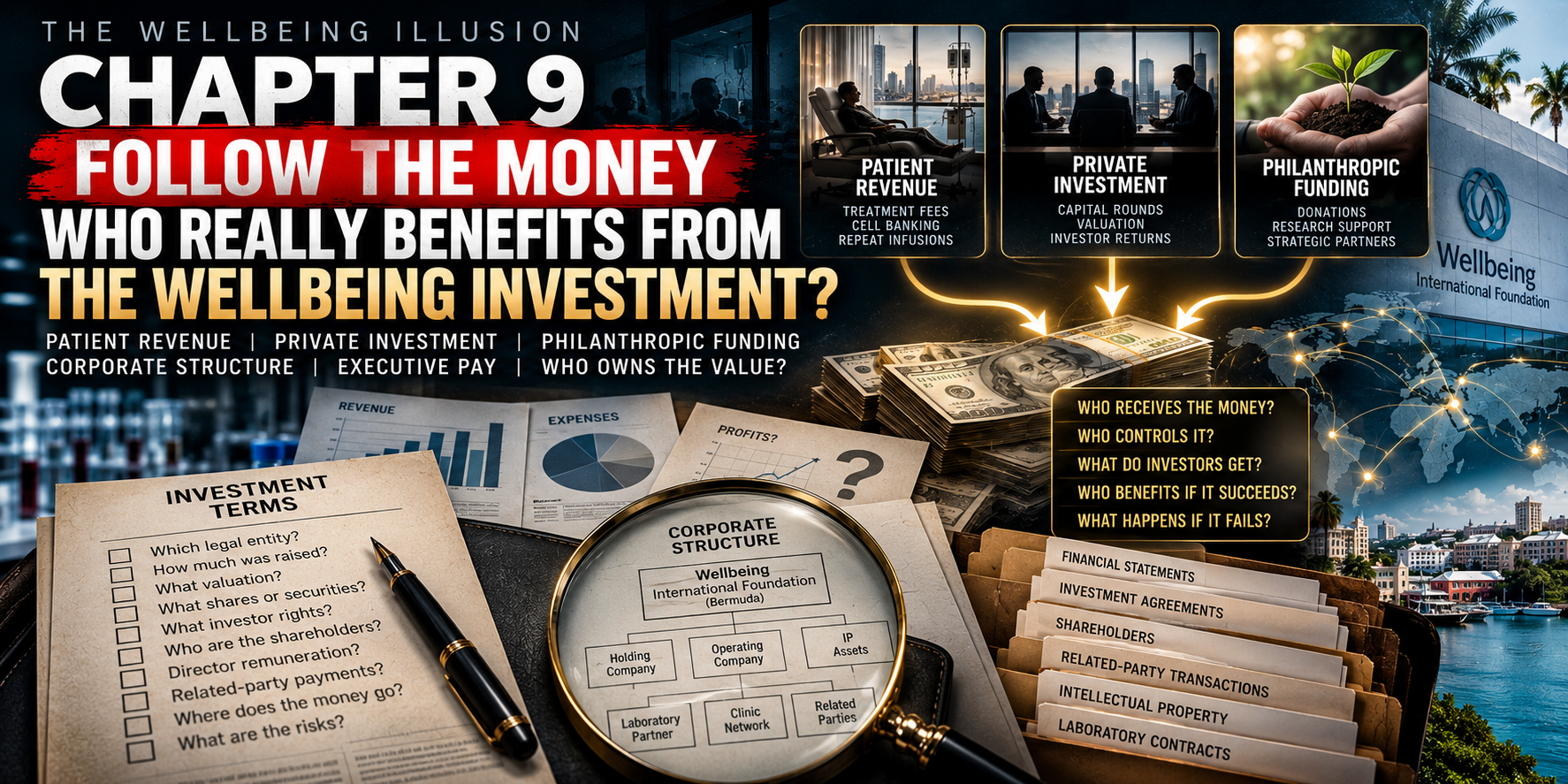
Who is actually making money from these treatments?


It may sound cynical.


But in healthcare, following the money can often reveal more than following the marketing.


The Business Behind The Promise

The regenerative medicine industry has grown rapidly over the past decade.

Websites promote revolutionary science.

Patients are shown success stories.

Executive interviews discuss the future of medicine.

Articles describe breakthrough therapies and cutting-edge biological treatments.

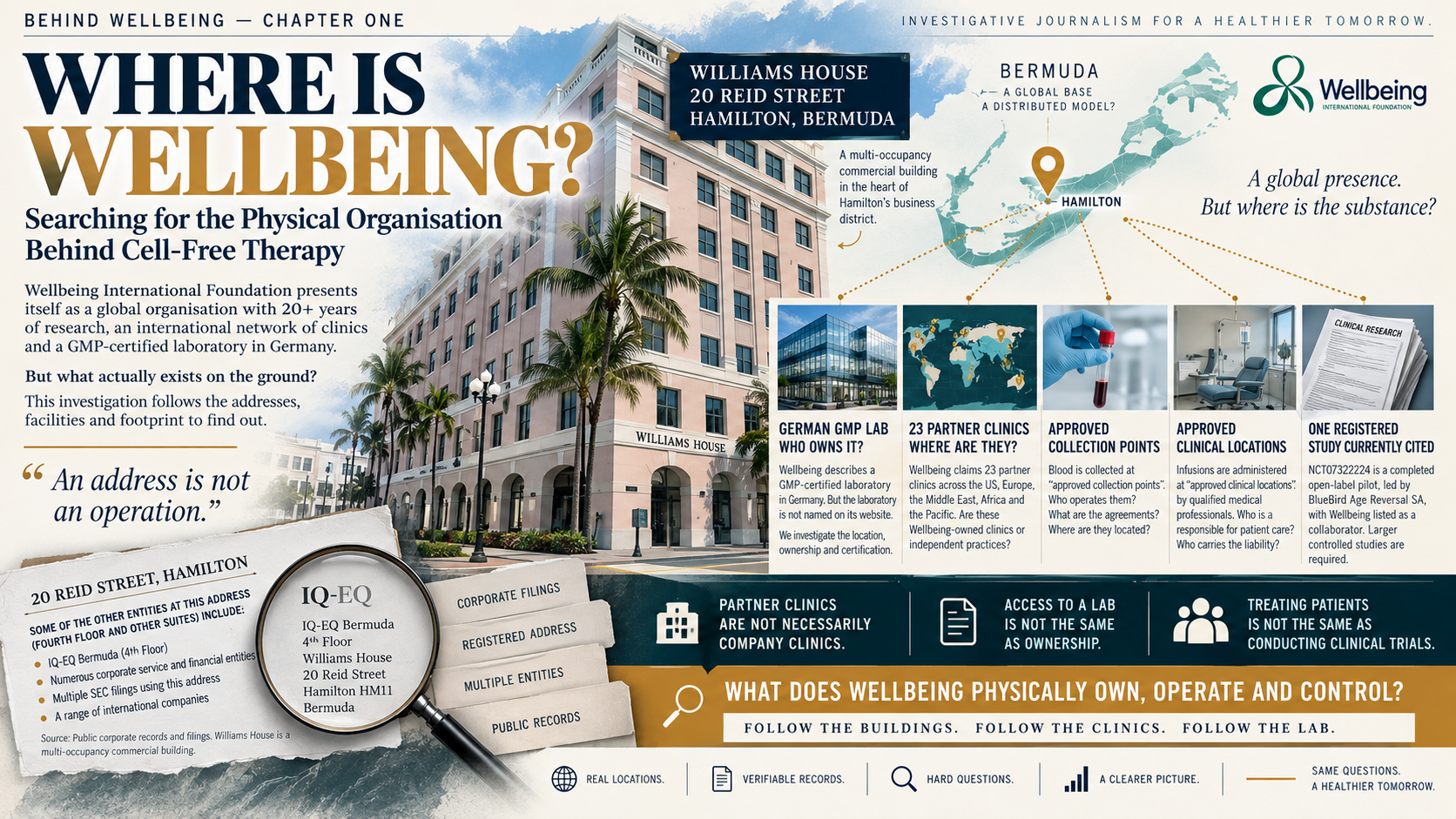
What consumers rarely see, however, is the commercial structure operating behind the scenes.

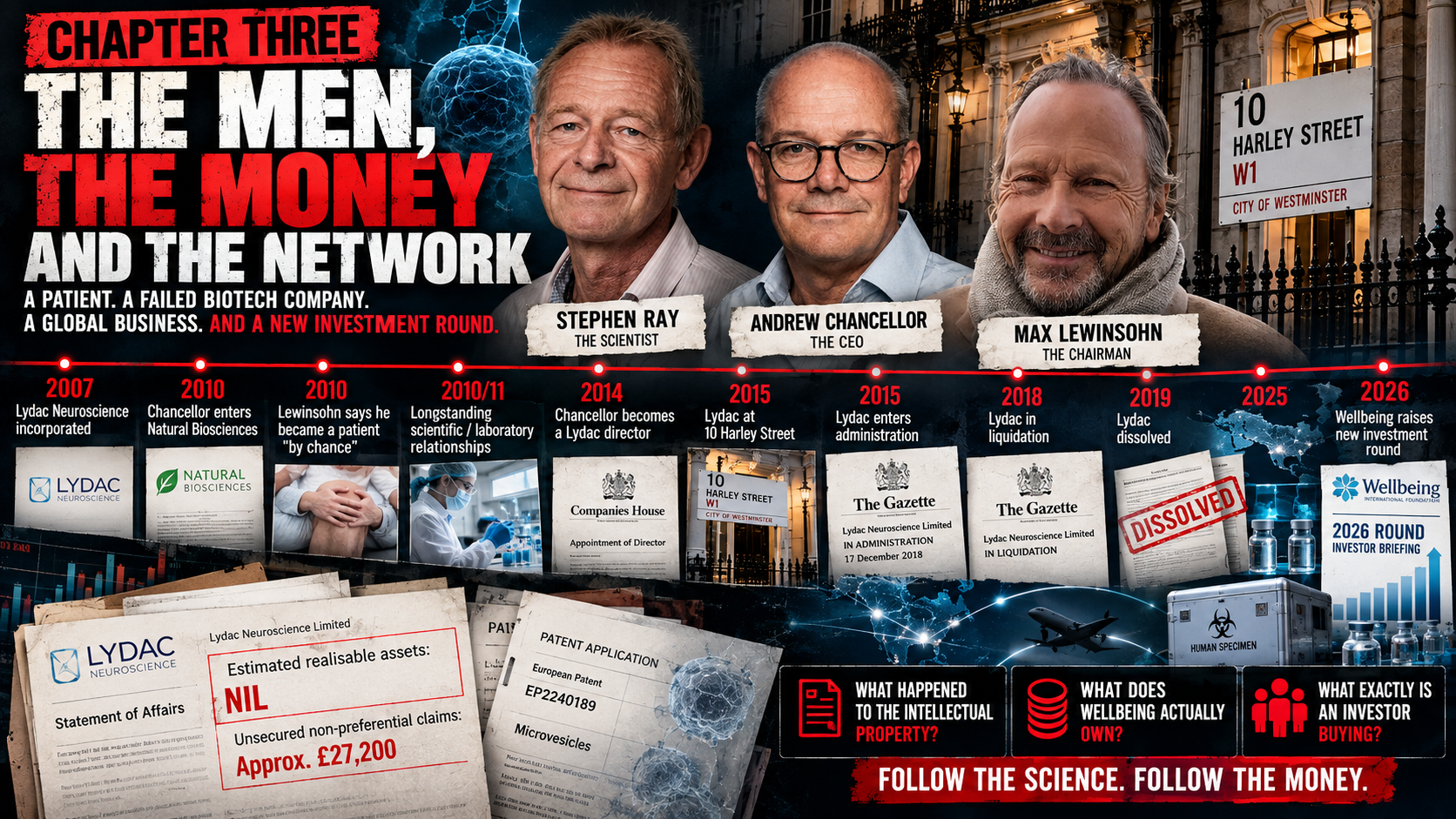
Who owns the business?

Who controls the finances?

Who receives the treatment fees?

Who employs the staff?

Who carries the liability?

Who is responsible if things go wrong?

These questions are rarely featured in promotional materials.

Yet they are often among the most important questions a patient can ask.


Healthcare Or Commercial Enterprise?

Many consumers assume they are dealing directly with a medical clinic.

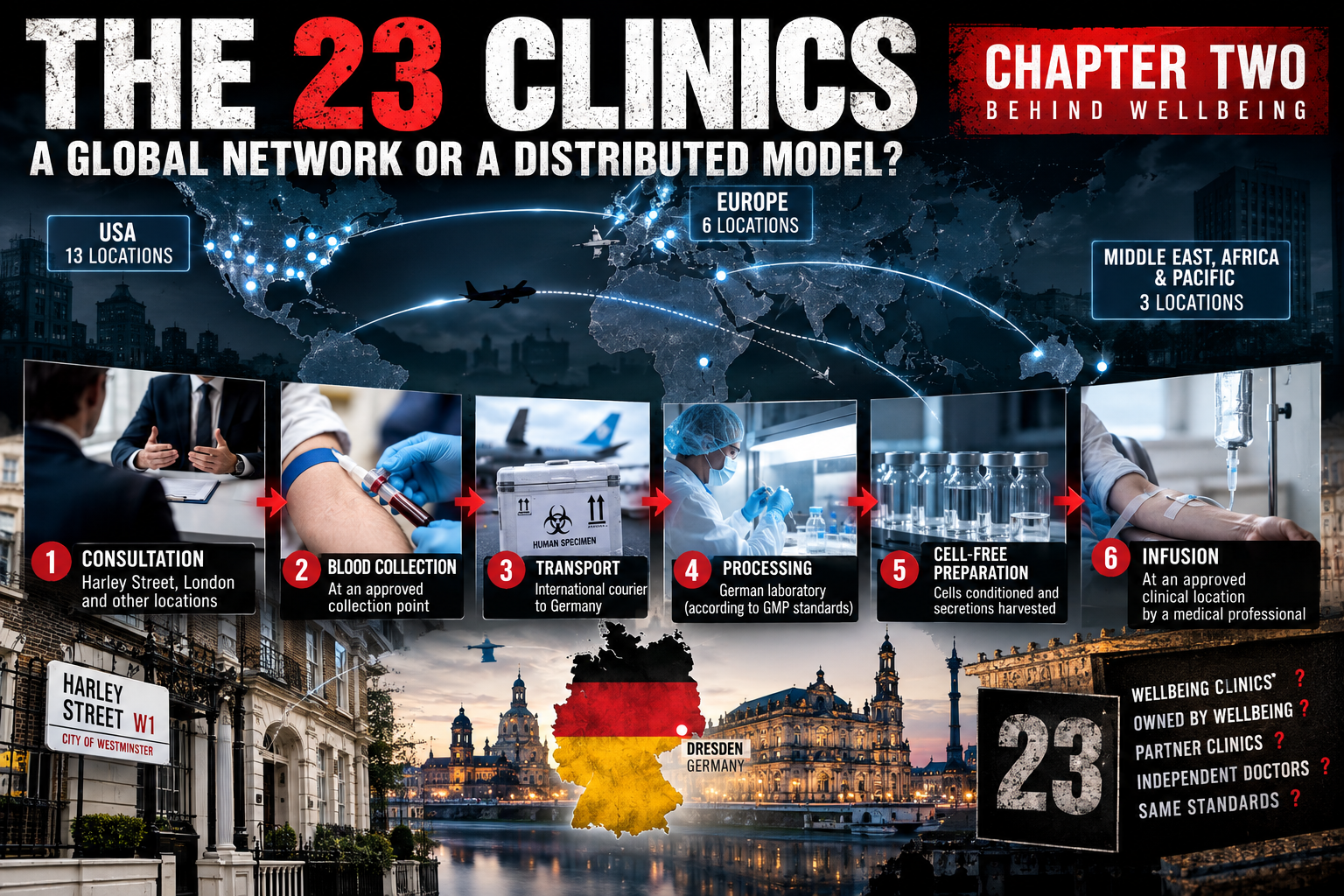
In reality, some organisations operating within the regenerative medicine sector may function through a complex mixture of companies, consultants, laboratories, overseas providers, treatment coordinators and referral networks.

This does not automatically indicate wrongdoing.

But it can make accountability difficult to understand.

Patients should be able to identify:

  • Who they are paying.
  • Who is treating them.
  • Who is medically responsible.
  • Who regulates the service.
  • Who carries professional indemnity cover.

If those answers are unclear, caution is warranted.


The Leadership Question

One area that often receives little scrutiny is the background of company leadership.

Consumers naturally focus on doctors.

But directors, founders and executives can have enormous influence over how treatments are marketed, priced and sold.

When examining leadership teams, consumers should consider:

  • Business history.
  • Previous company directorships.
  • Dissolved companies.
  • Legal disputes.
  • Regulatory issues.
  • Financial history.
  • Professional qualifications.

None of these factors automatically prove misconduct.

However, they can help consumers understand who they are trusting.

Healthcare requires a higher standard of transparency than most industries.


The Power Of Authority

Many regenerative medicine businesses invest heavily in creating authority.

Professional websites.

Executive biographies.

Thought leadership articles.

Media interviews.

Business awards.

Industry recognition.

Partnership announcements.

All of these elements contribute to an image of credibility.

The danger is that consumers may confuse business authority with medical authority.

Being a successful entrepreneur does not automatically make someone a medical expert.

Being a skilled executive does not automatically validate a treatment.

Being featured in interviews does not constitute clinical evidence.

Patients must learn to separate branding from proof.


The Cost Of Hope

Regenerative medicine treatments are rarely cheap.

Patients may spend:

  • Several thousand pounds.
  • Tens of thousands of pounds.
  • Travel costs.
  • Accommodation expenses.
  • Follow-up treatment fees.
  • Consultation charges.

For many families, these costs represent significant financial commitments.

Some patients use savings.

Others borrow money.

Some delay conventional treatments while pursuing alternative options.

The financial risk can therefore be substantial.

That is precisely why transparency matters.

The more money involved, the greater the responsibility to provide clear and accurate information.


Questions That Every Patient Should Ask

Before committing to any treatment, consumers should consider the following:

  • Who owns the company?
  • Who benefits financially from my treatment?
  • Who is medically qualified?
  • Who is clinically responsible?
  • Where is the treatment actually performed?
  • Who regulates the service?
  • What evidence supports the claims?
  • What risks have been identified?
  • What happens if complications arise?
  • What happens if the treatment fails?


These questions should never be viewed as confrontational.

They are sensible due diligence.


The Difference Between Hope And Evidence

One recurring theme throughout the regenerative medicine industry is the use of powerful emotional narratives.

Stories of recovery.

Stories of transformation.

Stories of renewed quality of life.

Such stories can be inspiring.

But they can also be persuasive sales tools.

Patients must remember that testimonials are not clinical trials.

Personal experiences do not replace scientific evidence.

Anecdotes do not establish effectiveness.

And emotional marketing should never be mistaken for proof.


Why Transparency Builds Trust

Trustworthy organisations should welcome scrutiny.

They should provide clear answers.

They should explain:

  • Their structure.
  • Their regulation.
  • Their leadership.
  • Their evidence base.
  • Their responsibilities.

The more transparent a company is, the easier it becomes for patients to make informed decisions.

Opacity, complexity and confusion benefit nobody except those who prefer not to answer difficult questions.


The Bottom Line

Regenerative medicine may well play an important role in the future of healthcare.

Research continues.

Scientific understanding develops.

New discoveries emerge.

However, consumers should never allow excitement about future possibilities to replace proper investigation today.

Before spending large amounts of money on any stem cell, exosome or regenerative medicine treatment, follow the money.

Understand who is behind the business.

Understand who benefits financially.

Understand who carries responsibility.

And most importantly, understand the difference between a medical promise and a proven medical outcome.

Because in healthcare, trust should never be purchased through marketing.

It should be earned through transparency, evidence and accountability.
Recent Posts

May 29, 2026
One of the biggest dangers facing patients searching for alternative medical treatments today is not necessarily the treatment itself.
May 15, 2026
For months, investigators have examined the digital footprint, corporate structure, public marketing, and leadership profiles connected to Wellbeing International Foundation Ltd.
May 15, 2026
As investigators continued examining the structure behind Wellbeing International Foundation Ltd,
May 10, 2026
WELLBEING INTERNATIONAL FOUNDATION TESTIMONIALS
May 10, 2026
WELLBEING INTERNATIONAL FOUNDATION LTD: “ETHICAL HEALING”
May 3, 2026
The commercial stem cell industry has grown rapidly over the past decade, with clinics around the world advertising regenerative medicine programs for conditions ranging from chronic pain to neurological disorders. Among the most controversial areas is autism. Families searching online are now routinely exposed to clinics promoting stem cell therapies as potential solutions for behavioural, developmental, or communication difficulties associated with autism spectrum disorder (ASD). But according to major medical authorities, parents should be extremely careful before committing to expensive experimental treatments. No Major Regulator Has Approved Stem Cell Therapy For Autism At present: The U.S. Food and Drug Administration has not approved stem cell therapy as a treatment for autism. The National Health Service does not recognise stem cell therapy as a standard autism treatment. European regulators continue treating most autism-related stem cell therapies as experimental. Researchers continue studying the field. But experimental science and established medical treatment are not the same thing. The Problem With Commercial Marketing Critics argue that some clinics blur the line between scientific possibility and proven outcome. Common marketing techniques include: Emotional recovery stories Before-and-after videos Technical medical language Claims of “advanced” therapy References to inflammation or neurological repair However, many scientists say evidence supporting these claims remains limited or inconclusive. Understanding Autism Complexity Autism is not a single illness. It is a broad developmental spectrum involving: Communication differences Behavioural traits Sensory variation Neurological diversity Because autism naturally develops differently in every child, measuring treatment success becomes highly complicated. Experts warn that developmental progress may sometimes occur naturally over time regardless of experimental intervention. What Treatments Have Better Scientific Support? While no treatment cures autism, specialists generally recommend evidence-based support approaches such as: Speech and language therapy Occupational therapy Behavioural intervention Educational support Social development programs Family support services Major organisations providing evidence-based information include: National Autistic Society https://www.autism.org.uk/ Centers for Disease Control and Prevention https://www.cdc.gov/autism/ World Health Organization https://www.who.int/ Autism Speaks https://www.autismspeaks.org/ Questions Families Should Ask Before Paying Experts recommend parents ask: Is this treatment regulator-approved? What peer-reviewed evidence exists? What are the known risks? What percentage of patients show no benefit? Are claims independently verified?  Evidence Before Emotion Families searching for hope deserve compassion, transparency, and honesty. Stem cell science remains an active research field. But until stronger clinical evidence exists, many experts believe autism-related stem cell treatments should be approached with serious caution — particularly when large sums of money and vulnerable families are involved.
May 3, 2026
As commercial stem cell clinics continue expanding across Europe and beyond, increasing numbers of families affected by autism are being introduced to expensive regenerative medicine programs marketed as cutting-edge alternatives to conventional therapy. One organisation repeatedly mentioned during conversations with former clients and concerned families is Wellbeing International Foundation LTD. This article does not accuse the clinic of criminal behaviour or fraud. However, as concerns surrounding commercial autism-related stem cell treatments continue growing internationally, experts say families should approach all such clinics with careful scrutiny. Why Autism Has Become A High-Interest Market Autism spectrum disorder affects millions of families worldwide. Because there is no single cure — and because developmental progress can vary enormously from child to child — families are often vulnerable to treatments marketed as innovative or revolutionary. Investigators reviewing the regenerative medicine sector have identified repeated themes in clinic advertising: Hope-based messaging Emotional testimonials Scientific jargon “Breakthrough” language Claims of advanced neurological repair Large financial commitments For many parents, distinguishing between genuine science and commercial optimism can become extremely difficult. THE MAIN WARNING SIGNS 🚩 Clinics Suggesting One Treatment Can Help Many Conditions Experts urge caution when the same therapy is promoted for: Autism Neurological disease Chronic pain Anti-ageing Immune conditions Degenerative illness Complex medical conditions require highly specific evidence. 🚩 Testimonials Used As Primary Evidence Powerful personal stories can influence emotions deeply. But regulators repeatedly warn that testimonials alone do not prove clinical effectiveness. 🚩 Scientific Terminology Without Clear Proof Families should ask clinics to clearly explain: How treatments work What evidence exists What outcomes are independently verified Complicated language is not the same as scientific certainty. 🚩 Significant Financial Commitments Many families report spending very large sums on: Consultations Treatment programs Flights Accommodation Repeat procedures without guaranteed outcomes. 🚩 Overseas Structures And Limited Oversight International treatment arrangements can complicate: Legal accountability Consumer rights Medical regulation Long-term follow-up The Ethics Of Hope Medical ethics experts have increasingly raised concerns about the emotional vulnerability of families searching for autism support. Parents naturally want to help their children. That emotional reality can make high-promise treatments especially persuasive. Critics argue that hope should never be marketed in a way that risks creating unrealistic expectations.  Questions Families Should Always Ask Before committing to any stem cell-based autism treatment, families should request: Published evidence Independent clinical data Long-term outcomes Full risk disclosures Regulatory status information Transparency matters. Especially when vulnerable families are involved.
Show More