As commercial stem cell clinics continue expanding across Europe and beyond, increasing numbers of families affected by autism are being introduced to expensive regenerative medicine programs marketed as cutting-edge alternatives to conventional therapy.
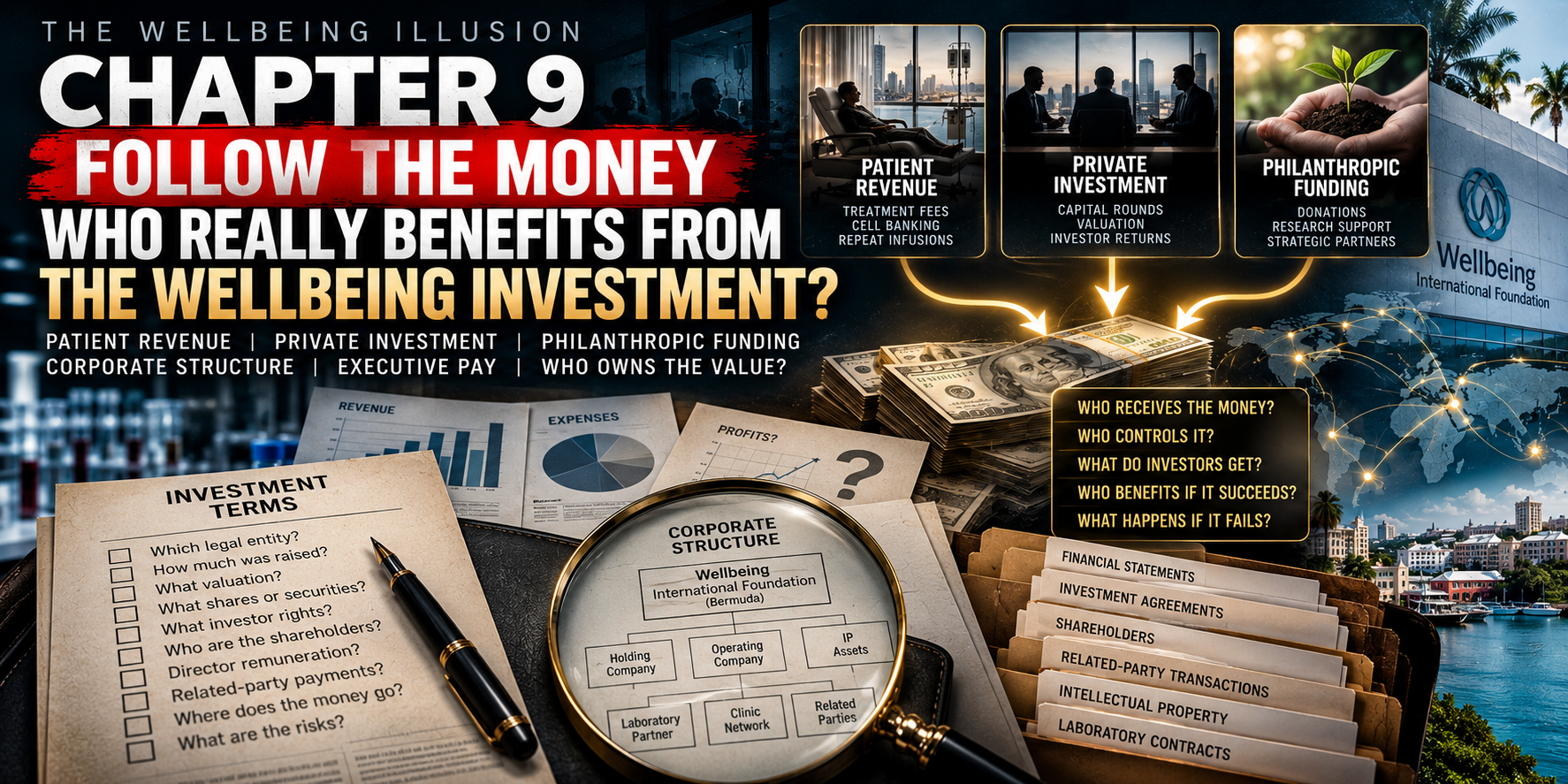
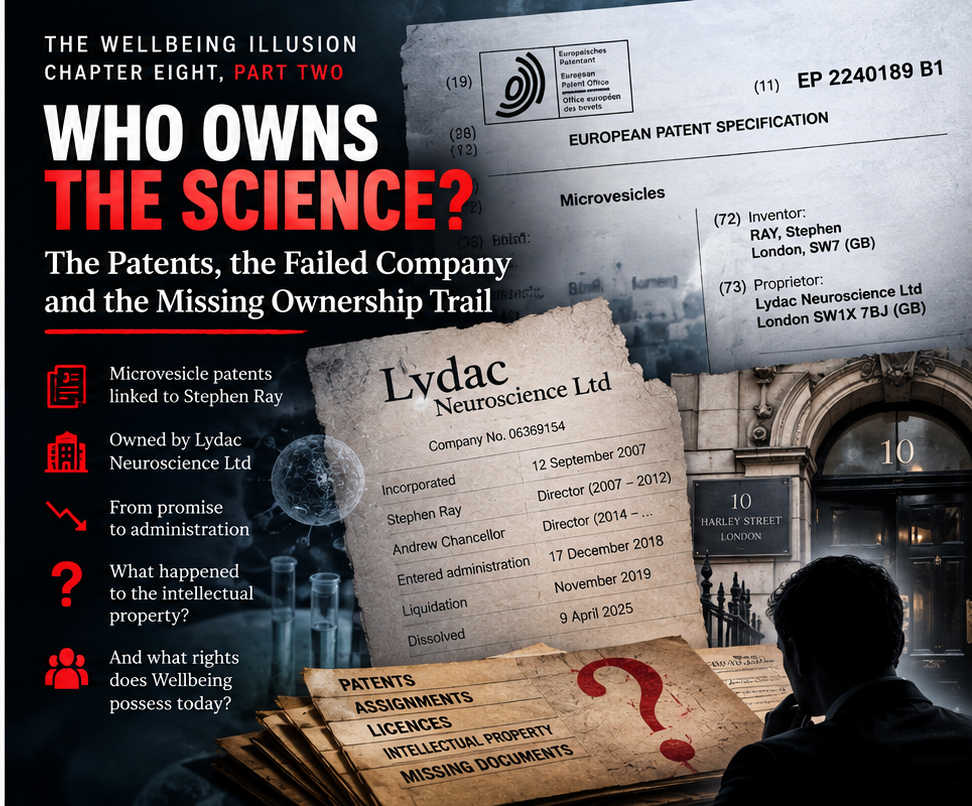
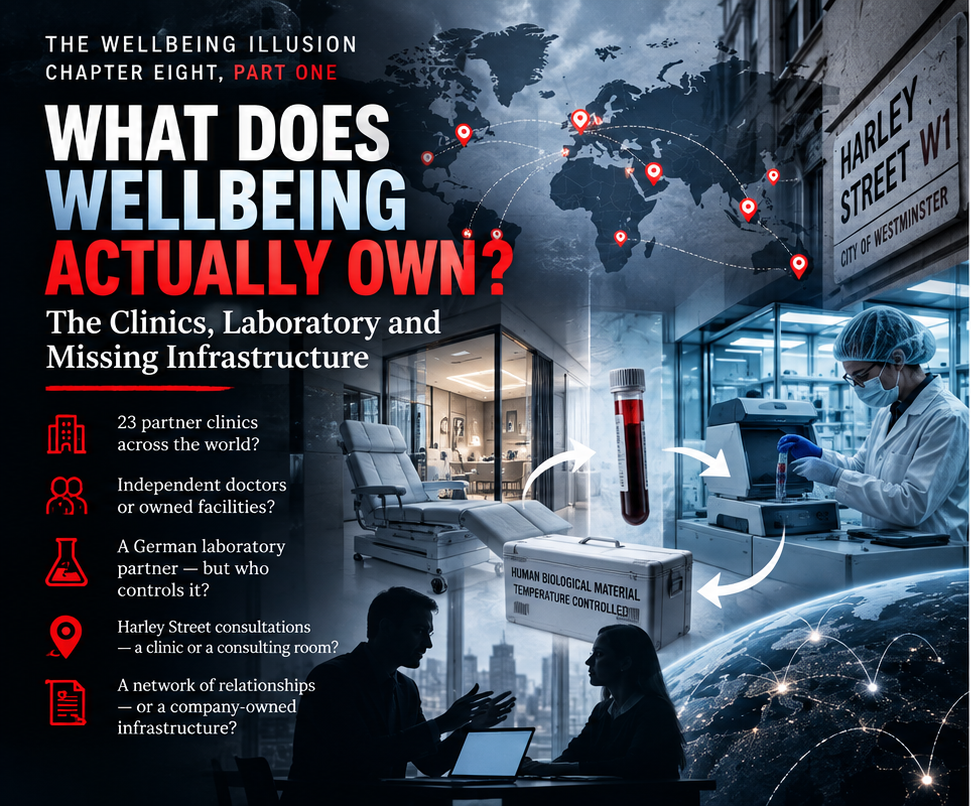
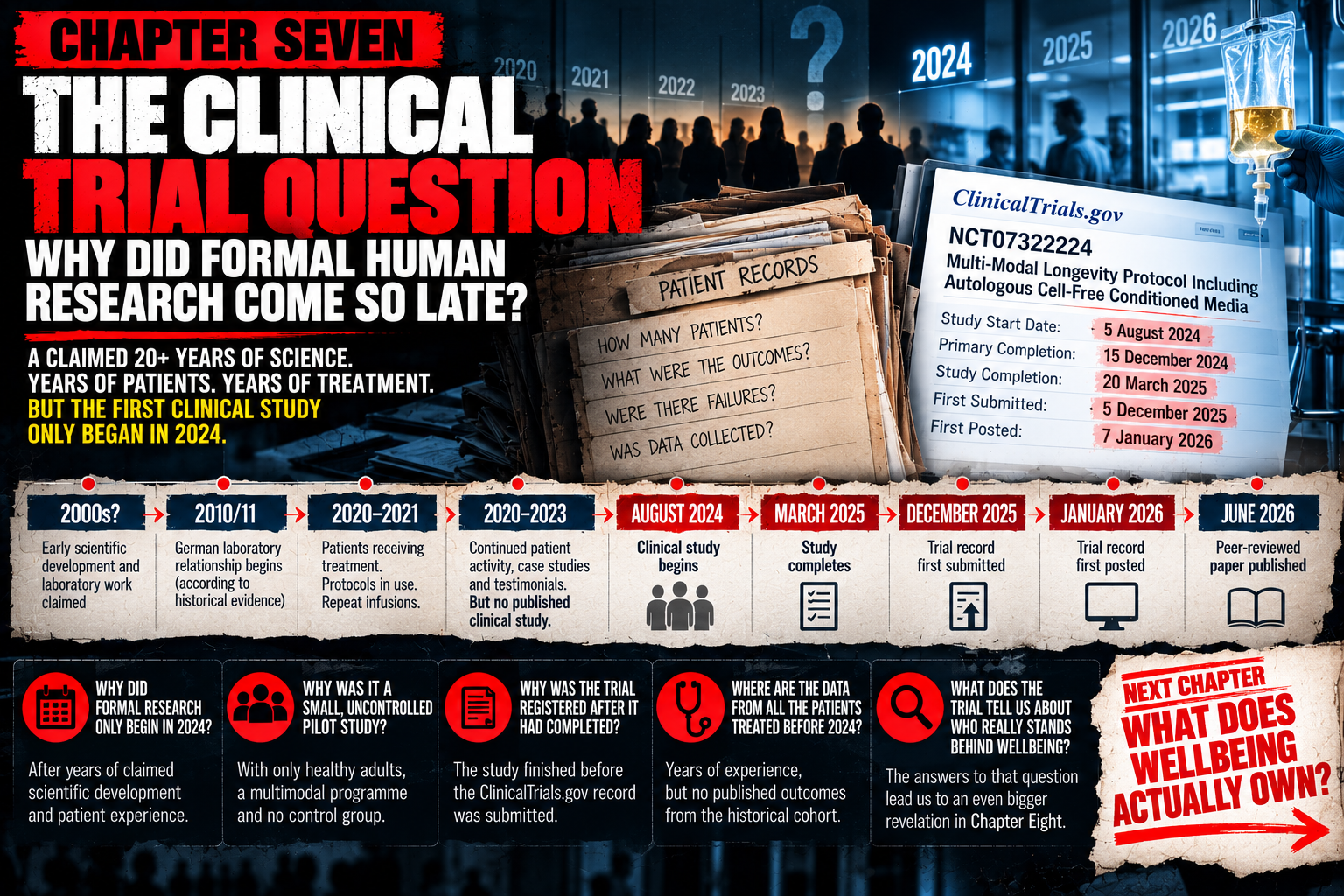
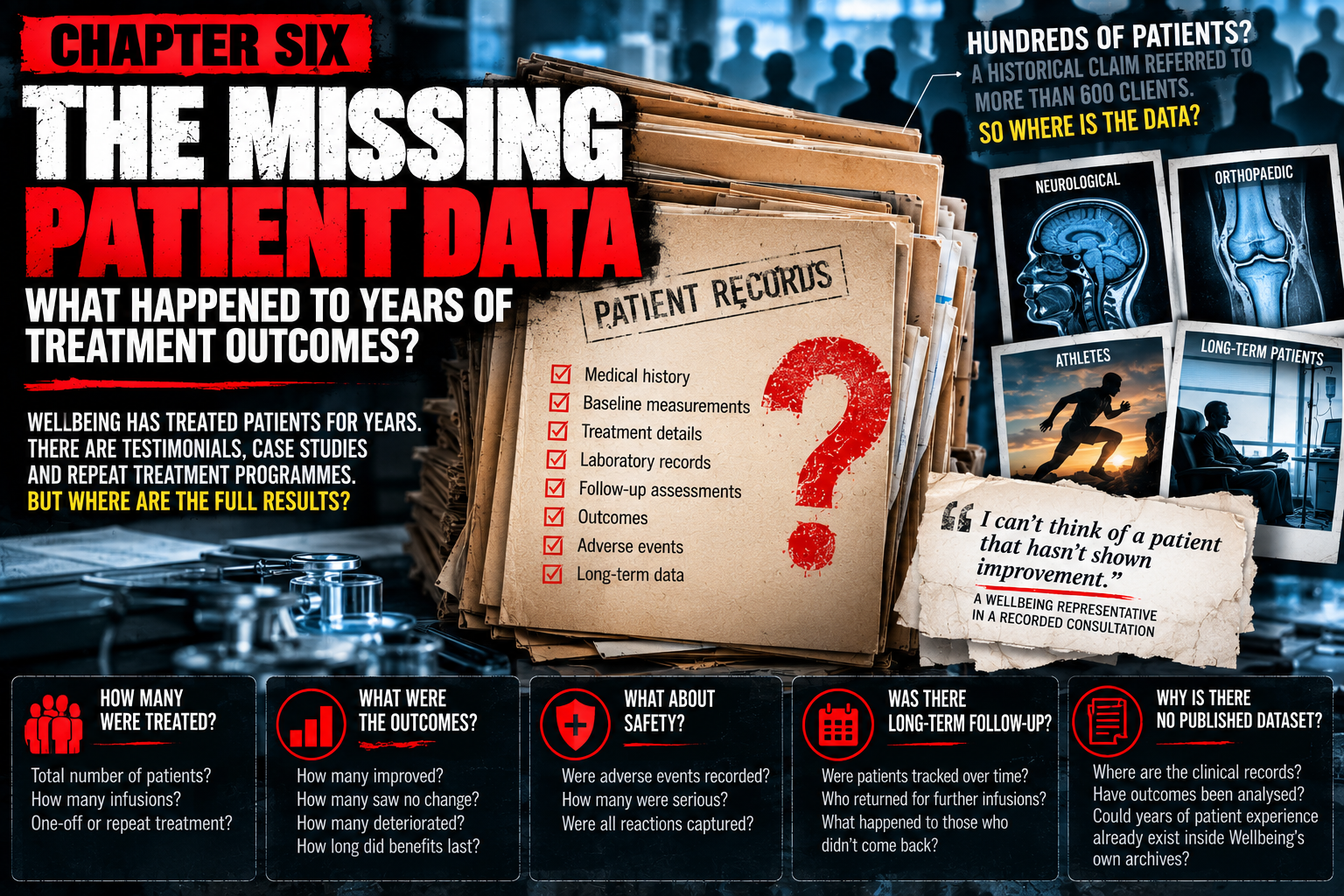
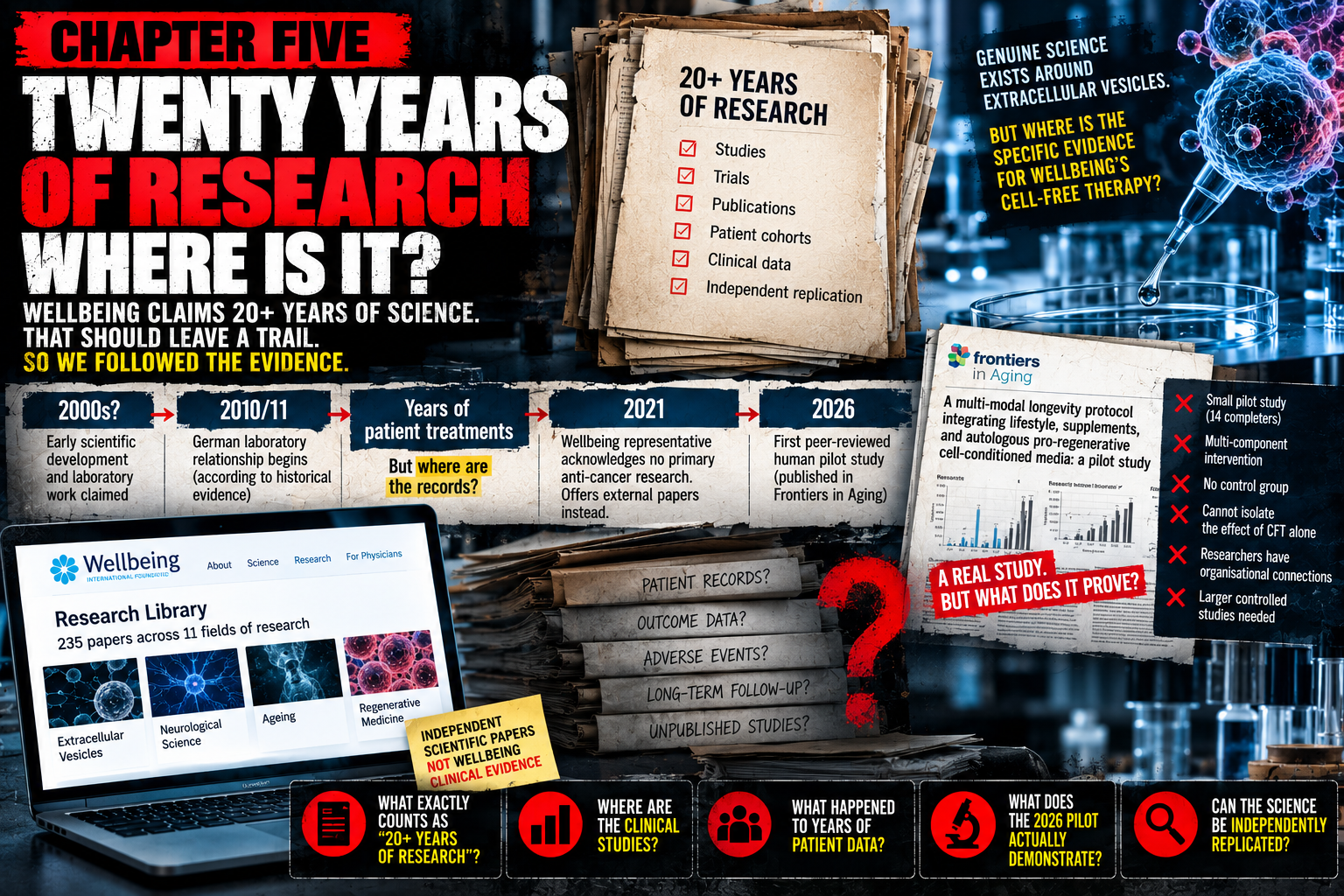
One organisation repeatedly mentioned during conversations with former clients and concerned families is Wellbeing International Foundation LTD.
This article does not accuse the clinic of criminal behaviour or fraud.
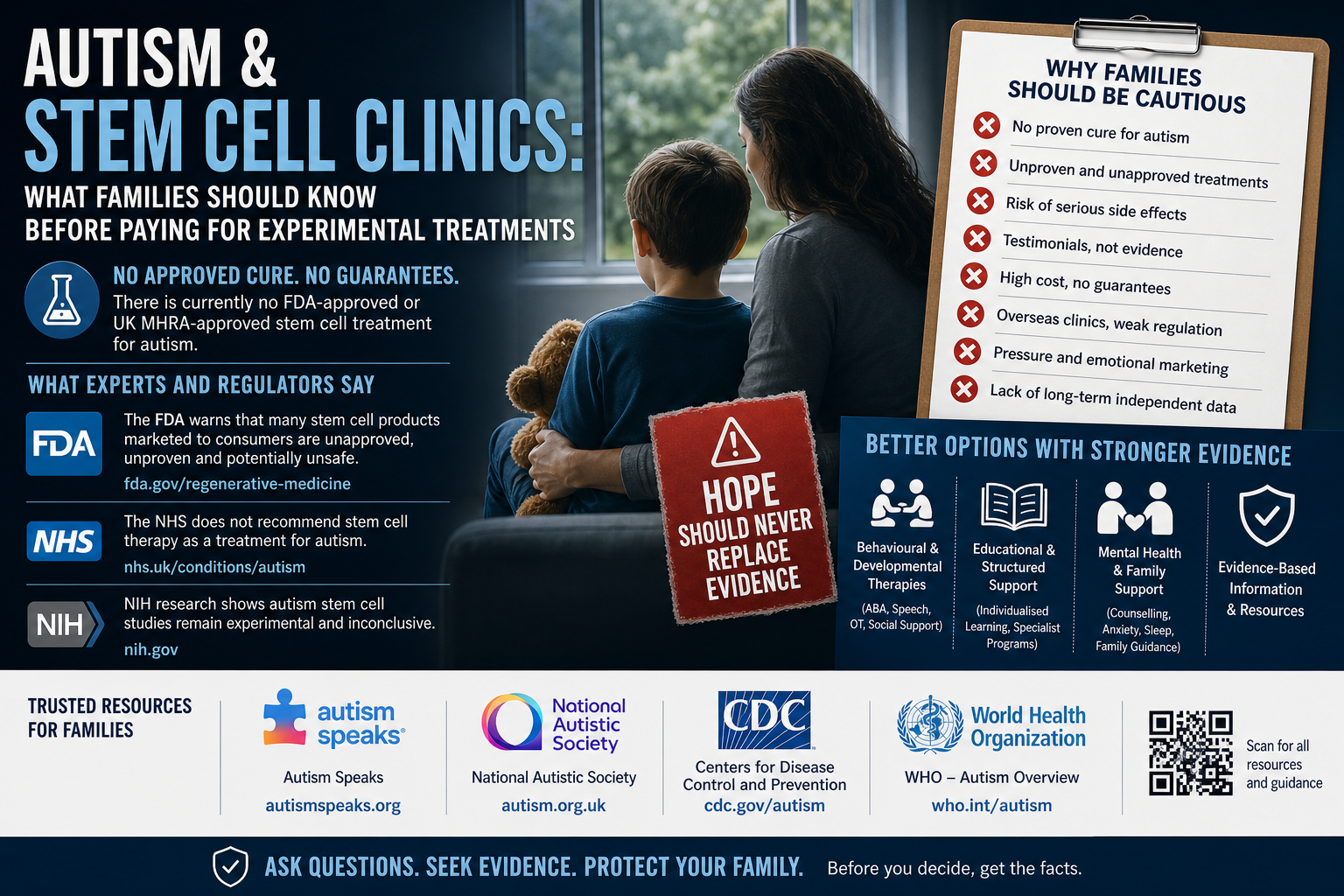
However, as concerns surrounding commercial autism-related stem cell treatments continue growing internationally, experts say families should approach all such clinics with careful scrutiny.
Why Autism Has Become A High-Interest Market
Autism spectrum disorder affects millions of families worldwide.
Because there is no single cure — and because developmental progress can vary enormously from child to child — families are often vulnerable to treatments marketed as innovative or revolutionary.
Investigators reviewing the regenerative medicine sector have identified repeated themes in clinic advertising:
- Hope-based messaging
- Emotional testimonials
- Scientific jargon
- “Breakthrough” language
- Claims of advanced neurological repair
- Large financial commitments
For many parents, distinguishing between genuine science and commercial optimism can become extremely difficult.
THE MAIN WARNING SIGNS
🚩 Clinics Suggesting One Treatment Can Help Many Conditions
Experts urge caution when the same therapy is promoted for:
- Autism
- Neurological disease
- Chronic pain
- Anti-ageing
- Immune conditions
- Degenerative illness
Complex medical conditions require highly specific evidence.
🚩 Testimonials Used As Primary Evidence
Powerful personal stories can influence emotions deeply.
But regulators repeatedly warn that testimonials alone do not prove clinical effectiveness.
🚩 Scientific Terminology Without Clear Proof
Families should ask clinics to clearly explain:
- How treatments work
- What evidence exists
- What outcomes are independently verified
Complicated language is not the same as scientific certainty.
🚩 Significant Financial Commitments
Many families report spending very large sums on:
- Consultations
- Treatment programs
- Flights
- Accommodation
- Repeat procedures
without guaranteed outcomes.
🚩 Overseas Structures And Limited Oversight
International treatment arrangements can complicate:
- Legal accountability
- Consumer rights
- Medical regulation
- Long-term follow-up
The Ethics Of Hope
Medical ethics experts have increasingly raised concerns about the emotional vulnerability of families searching for autism support.
Parents naturally want to help their children.
That emotional reality can make high-promise treatments especially persuasive.
Critics argue that hope should never be marketed in a way that risks creating unrealistic expectations.
Questions Families Should Always Ask
Before committing to any stem cell-based autism treatment, families should request:
- Published evidence
- Independent clinical data
- Long-term outcomes
- Full risk disclosures
- Regulatory status information
Transparency matters.
Especially when vulnerable families are involved.