A live undercover investigation filmed in London’s prestigious Harley Street medical district has captured a key figure linked to a controversial regenerative therapy operation acknowledging on camera that he is not a medically qualified doctor — despite being presented to patients with the title “Dr”.
The moment, recorded during a tense face-to-face interview, has raised new questions about transparency, professional titles, and whether vulnerable patients fully understand who is advising them about complex and expensive treatments.
“I’m Not a Doctor”
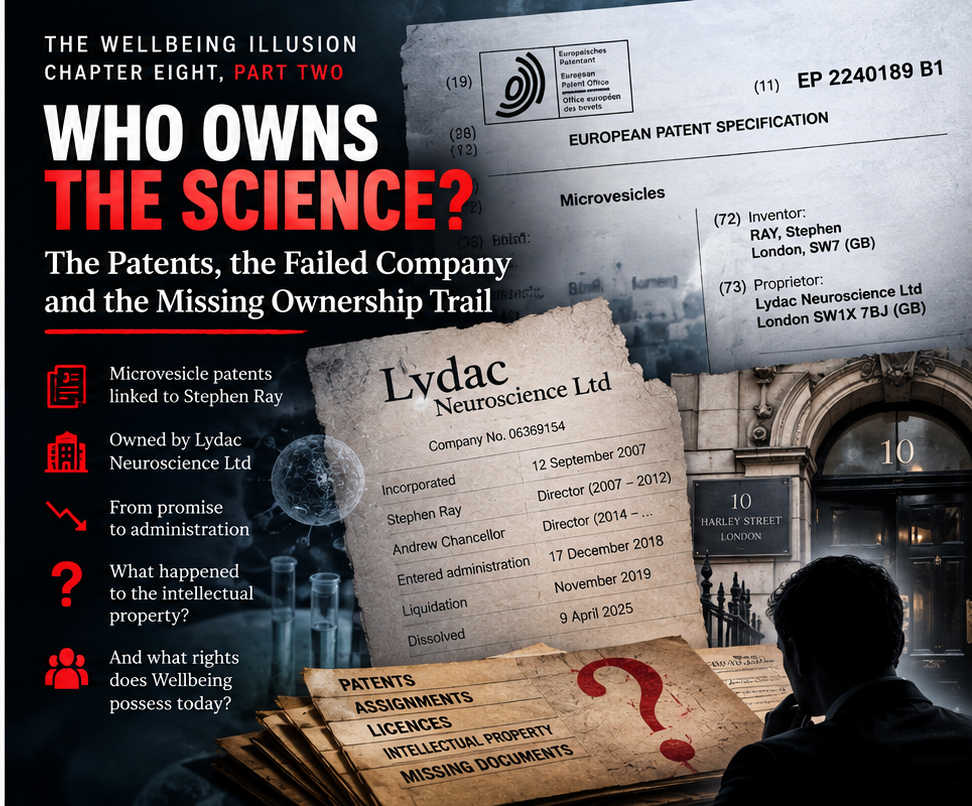
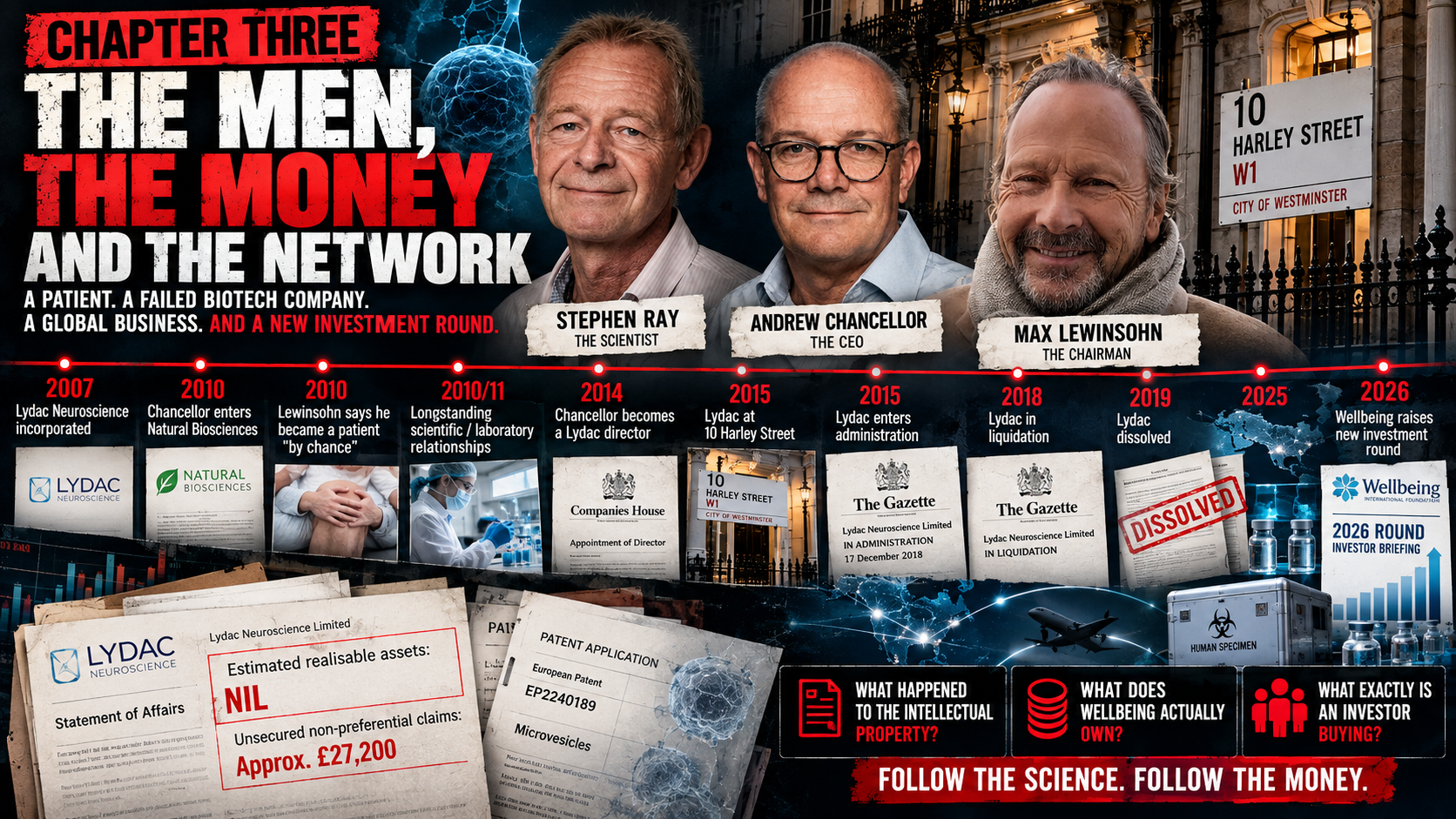
During the filmed exchange, Stephen Ray — introduced in consultations as “Dr Ray” — confirmed he holds a PhD but is not a registered medical practitioner.
The admission came after sustained questioning by undercover reporters about his role in discussing therapies connected to cancer and serious illness.
For critics of the wider regenerative medicine industry, the distinction between academic titles and clinical qualifications has long been a point of concern.
Patients, they argue, may assume the title “doctor” refers to medical training — particularly in high-pressure consultations involving life-changing decisions.
Titles, Trust — And Responsibility
Ray defended his position by saying he could “speak to the science,” emphasising research into immunotherapy and extracellular vesicles.
However, the filmed conversation revealed uncertainty over legal boundaries, including apparent unfamiliarity with legislation such as the UK’s Cancer Act 1939.
The exchange has sparked debate about how experimental therapies are presented to members of the public — and whether the language used during consultations risks creating misunderstandings.
The Bigger Question
Following the recording, some observers have asked whether presenting a PhD holder as “doctor” in a clinical setting could expose organisations to serious regulatory scrutiny.
Legal experts contacted by this publication said the issue often depends on how the title is used, what patients are told, and whether any misleading impression is created.
At present, no court has ruled on the matters raised in the undercover footage.
But the questions it raises are clear:
When patients sit across from someone introduced as “Doctor” inside a medical consultation room, what assumptions are they being invited to make?
A Debate Far From Over
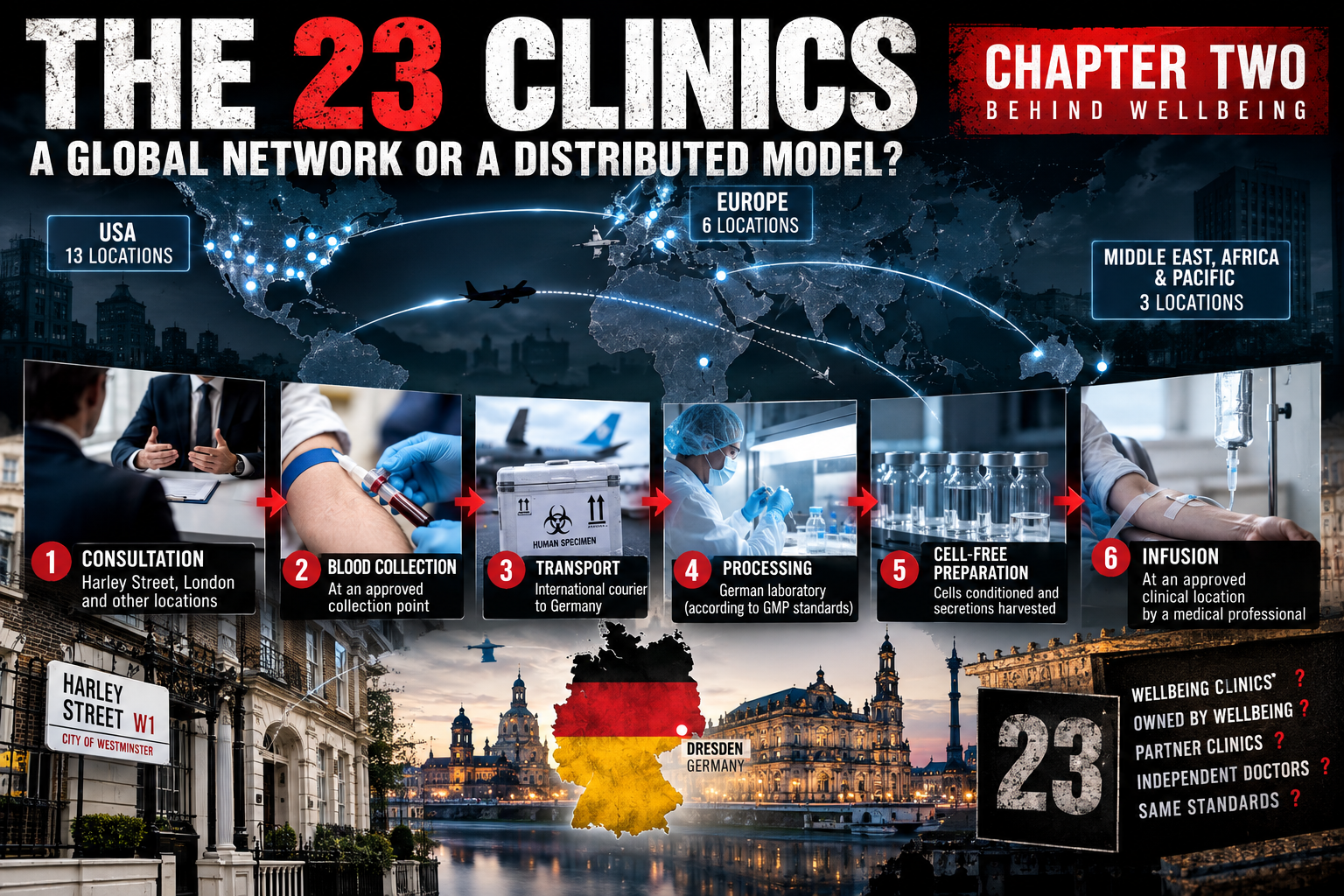
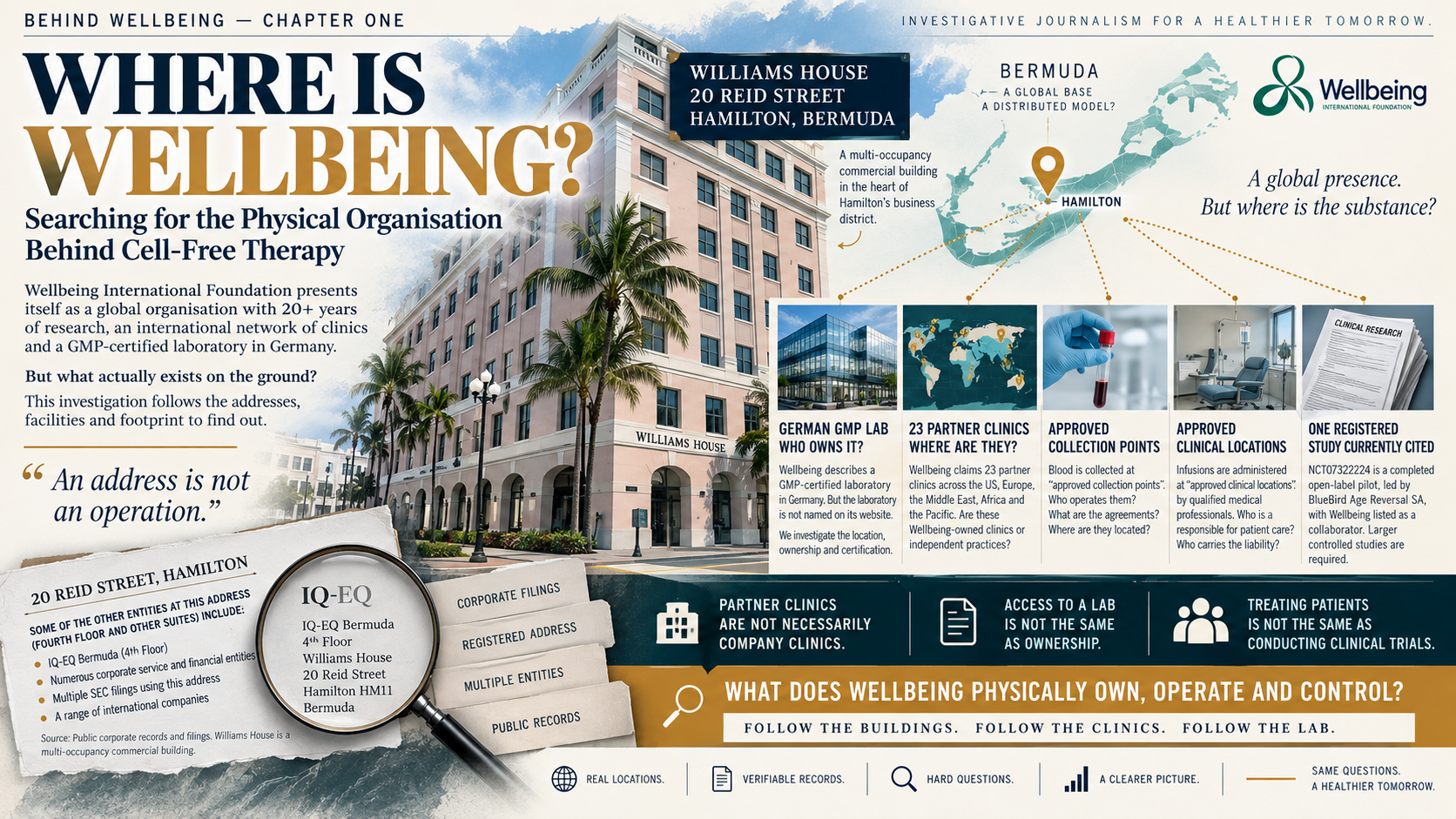
The filmed interview is part of an ongoing investigation into the marketing and delivery of experimental regenerative therapies.
Ray maintained throughout the exchange that he stood by the scientific basis of the work and was willing to defend it publicly.
For the undercover team, however, the moment he acknowledged not being a medical doctor marked a turning point.
Whether that admission represents a regulatory breach — or simply a controversial grey area — may ultimately be a matter for authorities to decide.
MORE FOOTAGE COMING
Further recordings from the undercover investigation are set to be released in the coming weeks, raising additional questions about pricing, patient expectations and who ultimately holds responsibility inside the organisation.