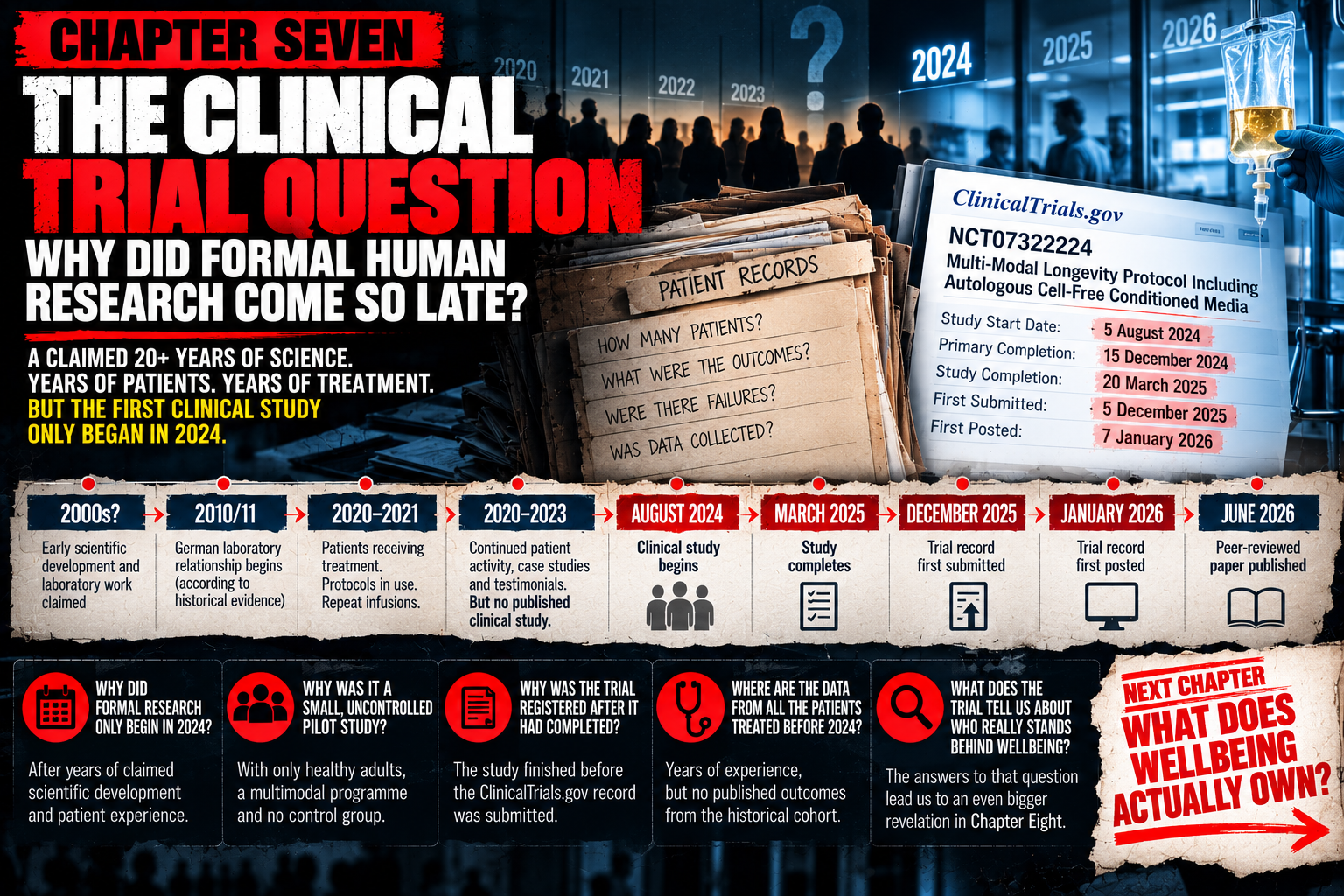
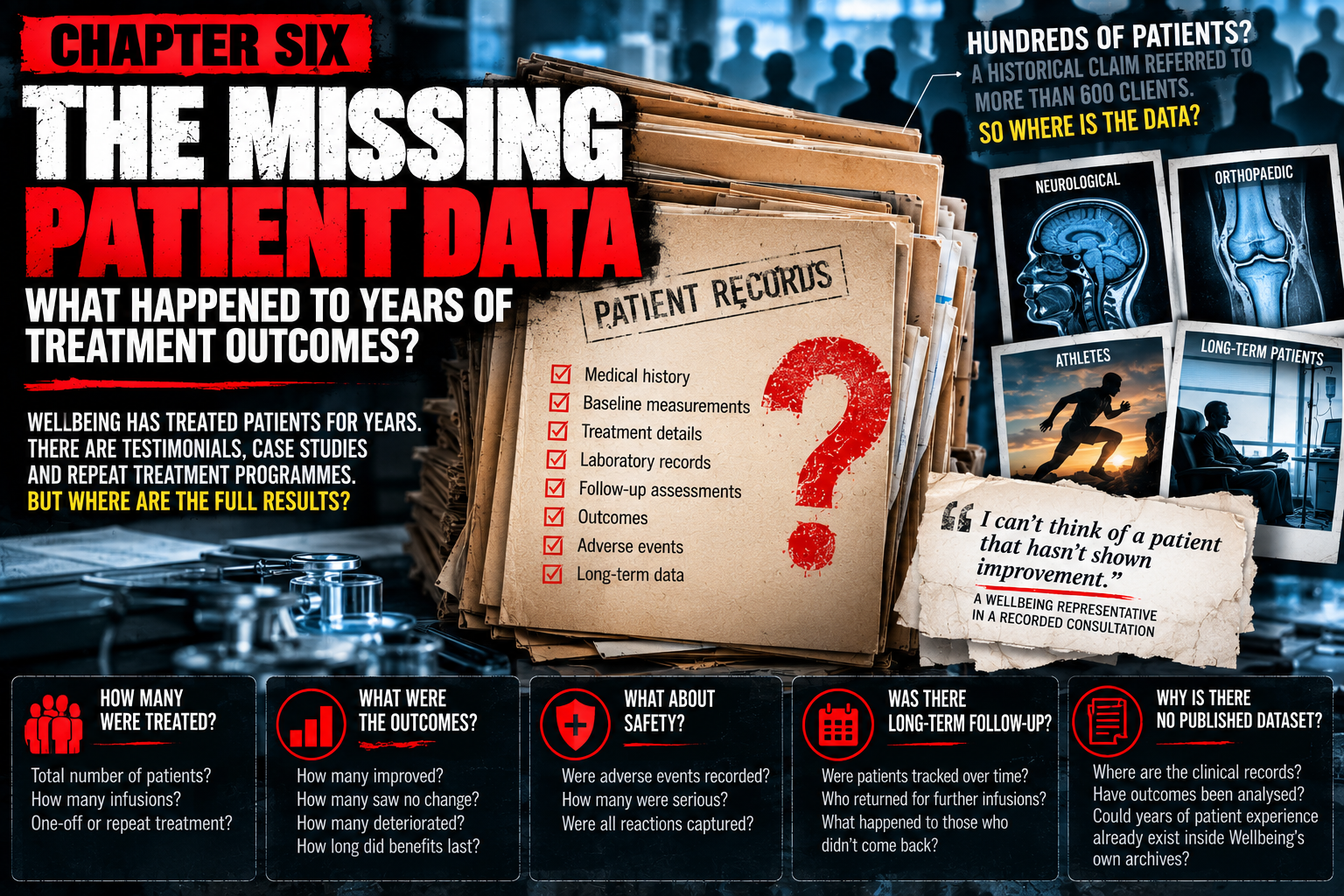
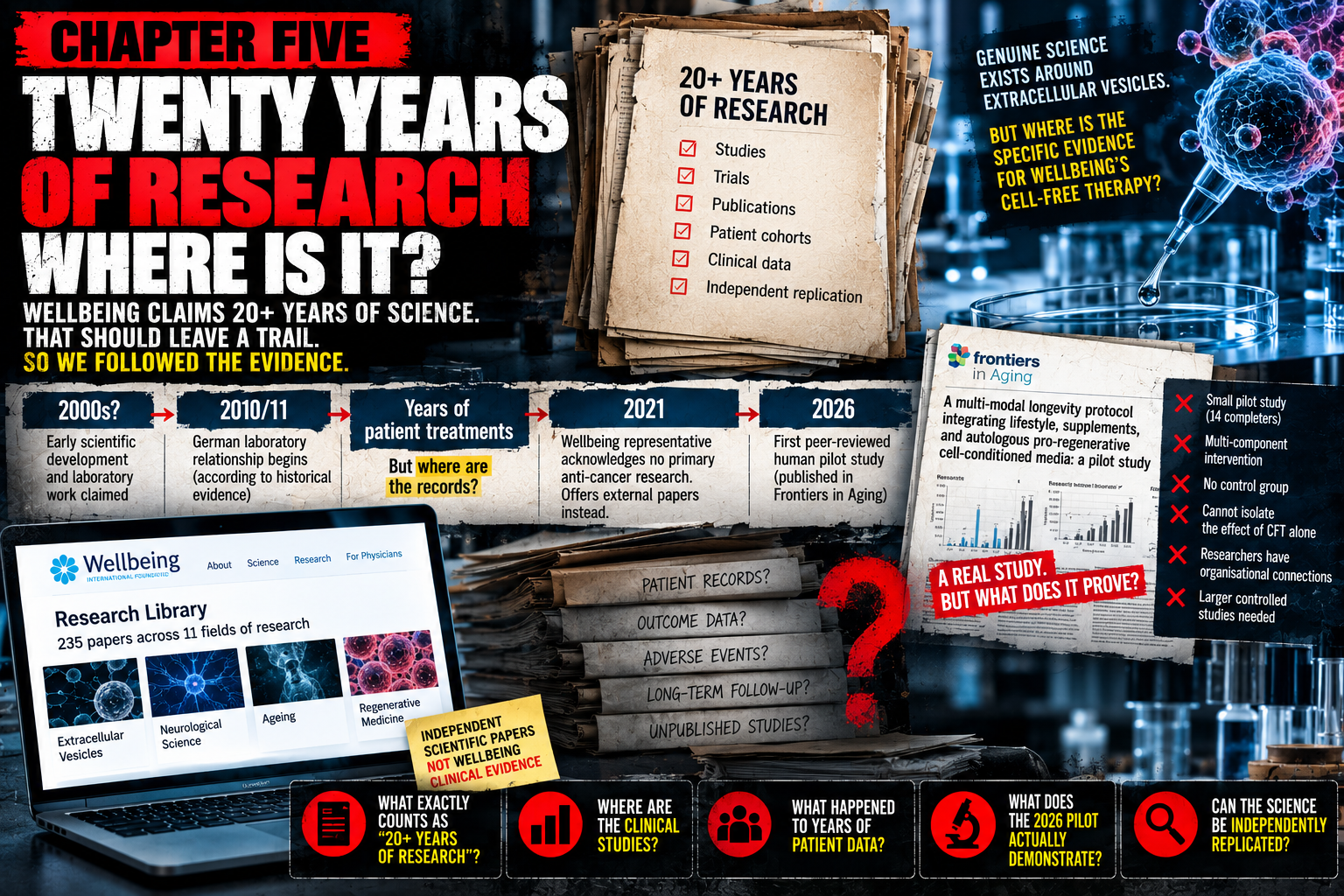
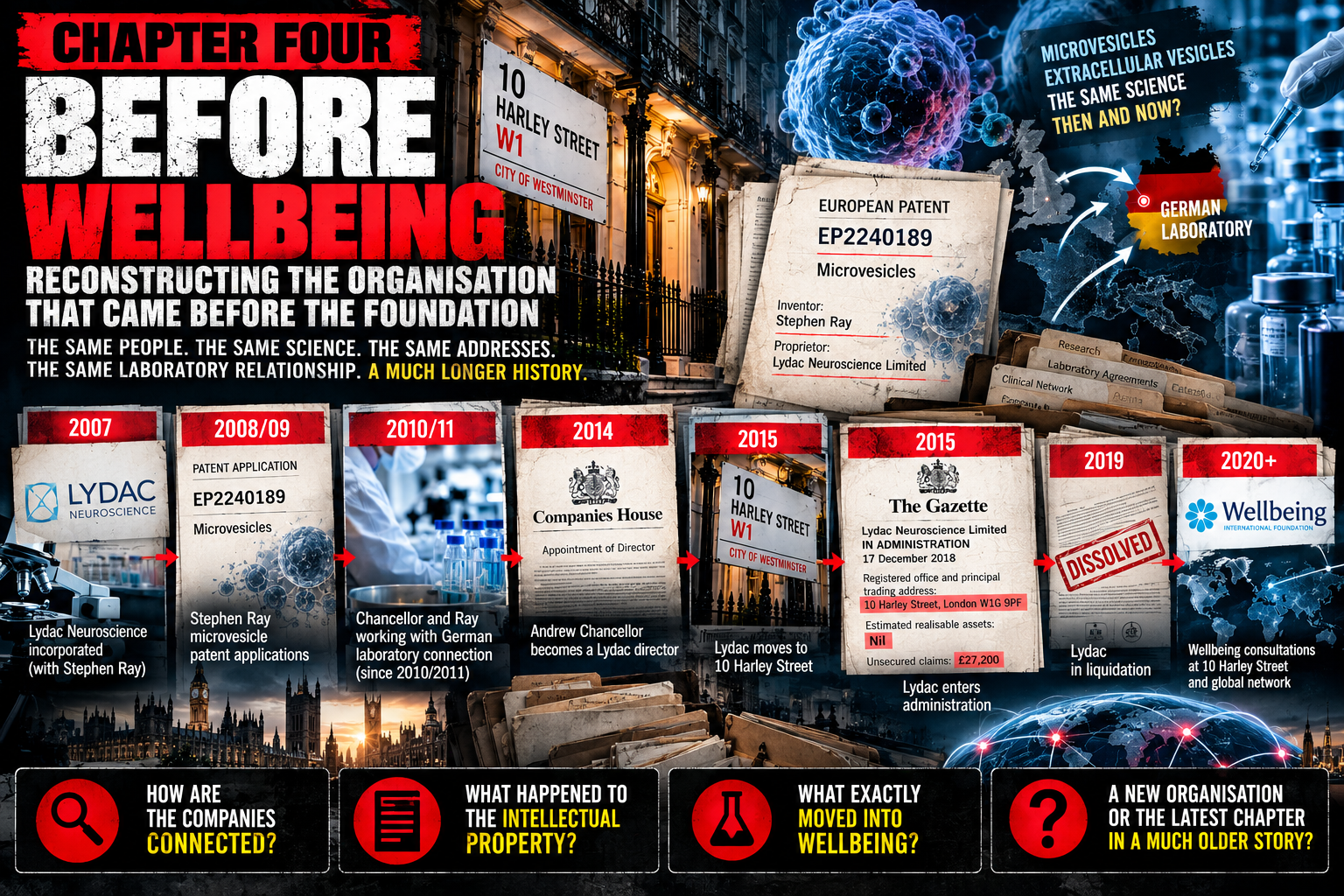
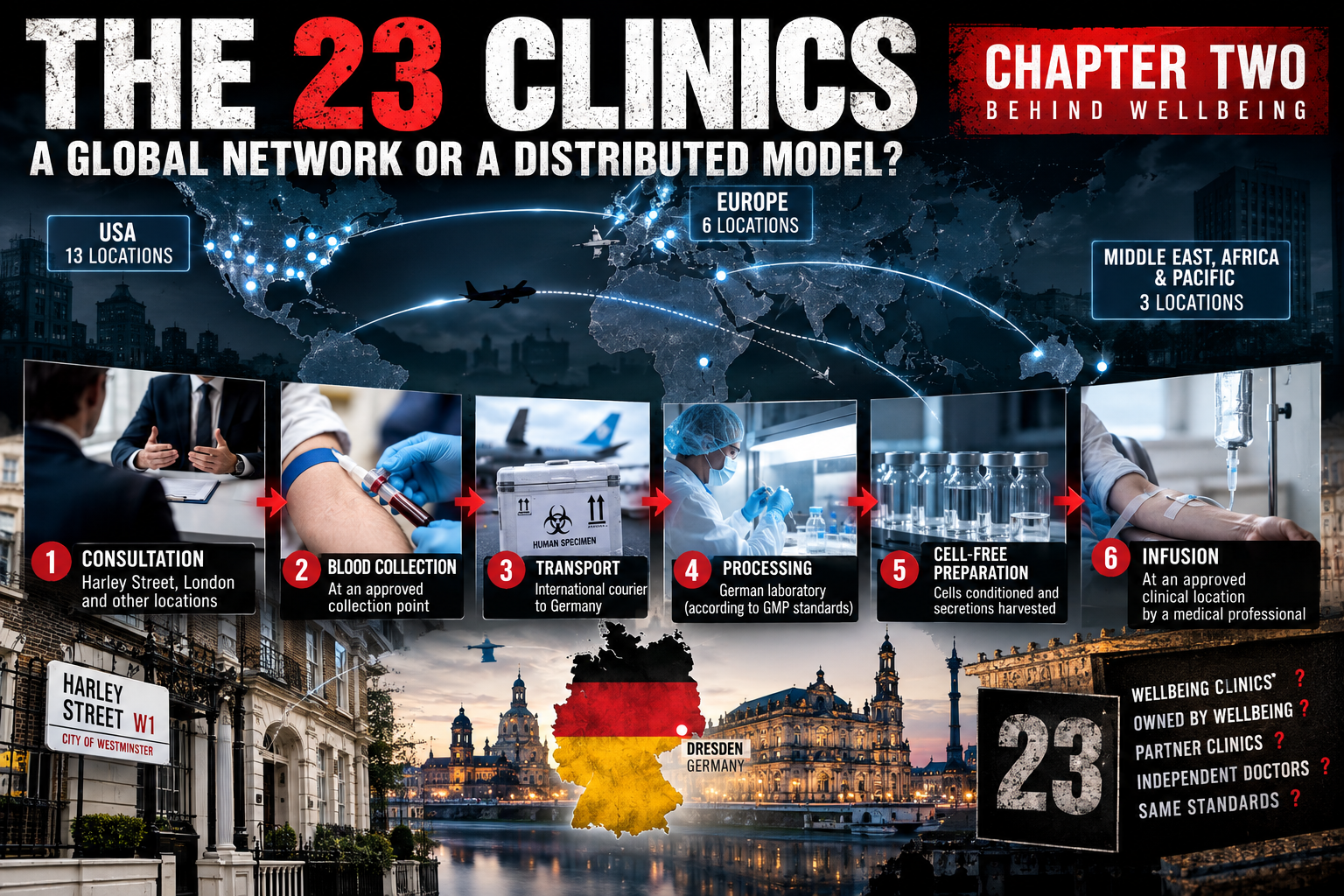
It doesn’t begin like a medical consultation.
There’s no hospital setting. No clinical urgency. No structured diagnostic pathway.
Instead, it starts with a question — open, almost casual:
“What would you like help with?”
From that moment, the tone is set.
This is not just medicine.
This is a conversation — and, increasingly, a transaction.
The First Contact: Hope Enters the Room
Patients rarely arrive cold.
They’ve already:
- Seen testimonials
- Read success stories
- Watched videos promising recovery or relief
By the time the consultation begins, belief is already forming.
The role of the consultation is not always to diagnose —
but to confirm possibility.
The Consultation That Feels Like a Pitch
Multiple accounts reviewed during this investigation describe consultations that follow a familiar structure:
- Build rapport quickly
- Establish the patient’s problem in emotional terms
- Introduce the concept of regenerative potential
- Avoid definitive medical claims
- Reinforce outcomes through anecdotal success stories
Then, gradually, the conversation shifts.
From condition
to solution
to cost
The Price of Possibility
It rarely comes upfront.
Instead, it arrives once interest is established.
Patients report being presented with:
- Treatment “programmes” rather than single procedures
- Tiered pricing depending on perceived need
- Costs ranging from £20,000 to over £50,000
Often framed not as expense — but as:
“An investment in your future health.”
Medical Advice — or Sales Strategy?
Here is where the line begins to blur.
Unlike traditional healthcare:
- There is rarely a second opinion built into the process
- Limited discussion of alternative treatments
- Risks may be discussed — but not always emphasised
What is consistent, however, is momentum.
Patients describe a subtle pressure to:
- Commit within a timeframe
- Secure availability
- “Lock in” treatment slots
In some cases, financing options or staged payments are introduced.
The Language of Safety
Crucially, direct guarantees are rarely made.
Instead, consultations rely on carefully chosen language:
- “We’ve seen very positive results”
- “Many patients experience improvement”
- “This could help your condition”
Statements that:
- Suggest outcome
- Avoid legal certainty
It is a form of communication that sits comfortably between medicine and marketing.
Who Is Giving the Advice?
Another concern raised in several cases is the role of the person delivering the consultation.
Patients have reported:
- Speaking with individuals who are not clearly identified as medical doctors
- Interacting with “advisors” or “specialists” whose qualifications are not immediately transparent
- Receiving guidance that feels structured around treatment acceptance
This raises a critical issue:
Is the consultation clinical — or commercial?
The Psychology of the Decision
By the time pricing is revealed, the patient has often:
- Revisited their condition in detail
- Been presented with a potential solution
- Heard positive outcome narratives
- Invested emotionally in the possibility of improvement
At that point, the decision is no longer purely rational.
It becomes deeply personal.
And for many, difficult to walk away from.
A System Built on Momentum
What emerges is not a single unethical act —
but a system.
A structured process that:
- Attracts vulnerable patients
- Builds belief
- Presents high-value solutions
- Encourages commitment
All while remaining just within the boundaries of legal defensibility.
The Wider Question
Not every clinic operates the same way.
Not every practitioner is acting improperly.
But the pattern is becoming harder to ignore.
When:
- Treatments are expensive
- Evidence is limited
- Consultations resemble sales processes
A fundamental question must be asked:
Is this healthcare — or a high-end sales funnel built around medical hope?
The Moment That Matters
The consultation is where everything happens.
Not in the lab.
Not in the science.
But in the room —
where a patient, often searching for answers, is asked to make a decision that could cost tens of thousands of pounds.
And in that moment, one thing becomes clear:
The real treatment being offered may not just be medical.
It may be belief itself.