As scrutiny grows around the financial structures behind Wellbeing International Foundation, a new development in this investigation shifts the spotlight onto one of the organisation’s most visible scientific figures.
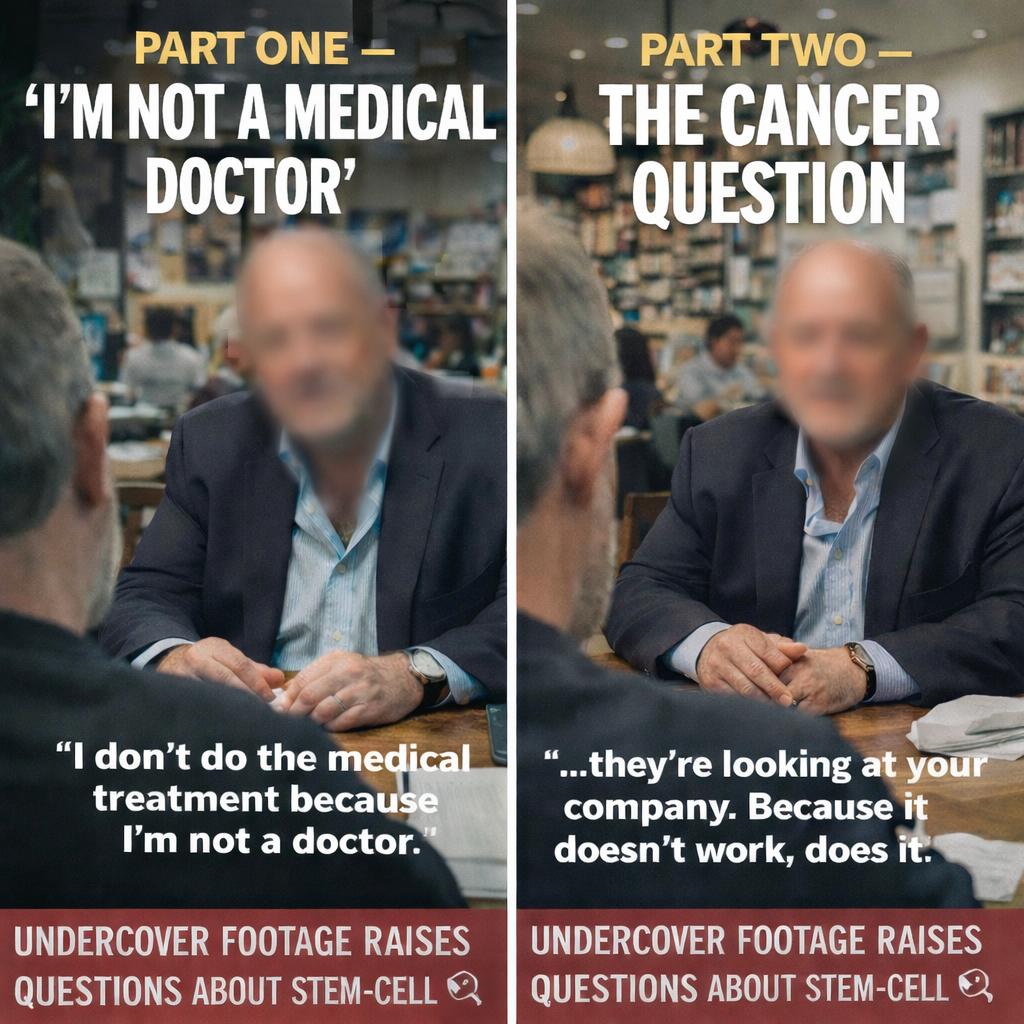
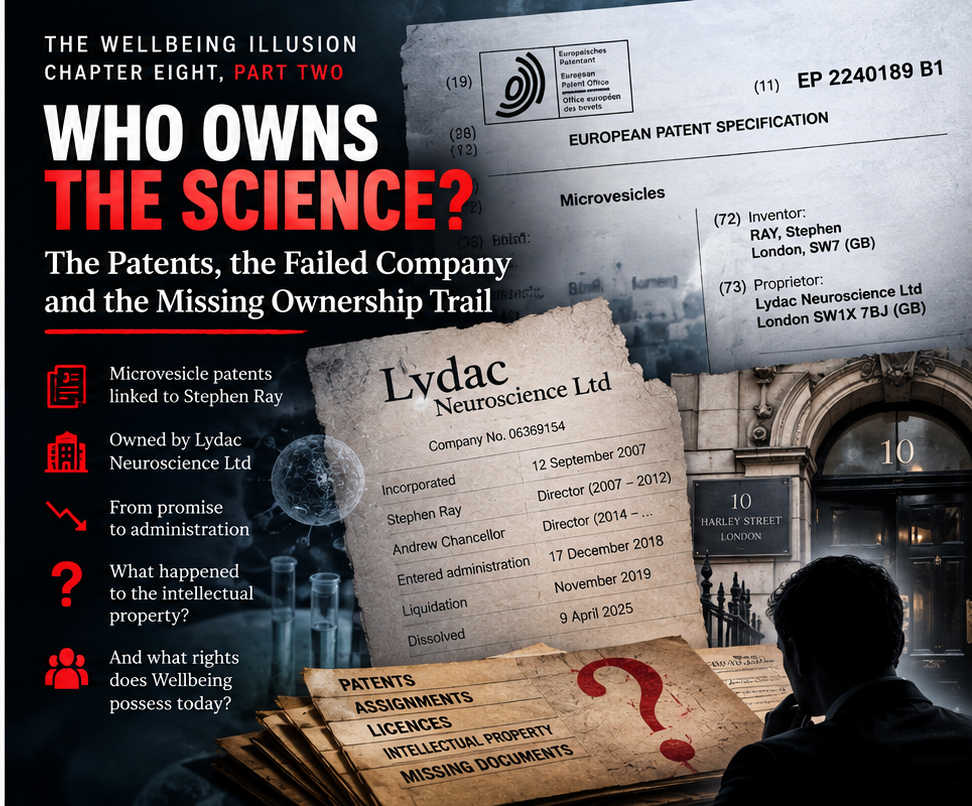
During a face-to-face meeting recorded on video, Stephen Ray, described by the company as a Chief Scientist, acknowledged that he is not a medical doctor — despite being involved in discussions with individuals exploring regenerative treatments linked to the organisation.
The recording forms part of a wider und
ercover investigation examining how prospective clients are introduced to complex and controversial therapies.
THE MOMENT CAUGHT ON CAMERA
In the opening moments of the recorded exchange, an undercover investigator asked Ray directly:
UC: “Are you a medical doctor?”
SR: “No, I’m a PhD doctor.”
When pressed further, Ray described himself as a neuroscientist and confirmed that he does not carry out medical procedures.
“I don’t do the medical treatment because I’m not a doctor,” he stated during the conversation.
The distinction between academic doctorates and licensed medical practitioners is widely understood within healthcare regulation — but critics say the difference may not always be clear to vulnerable clients seeking treatment.
“I’M THE CHIEF SCIENTIST”
Throughout the meeting, Ray repeatedly framed his role as scientific rather than clinical.
He explained that his job was to discuss the science behind the therapies and advise individuals about what the treatment might or might not achieve, while emphasising that final medical decisions were not his responsibility.
“My job is really to explain the science to them,” he said in the recording.
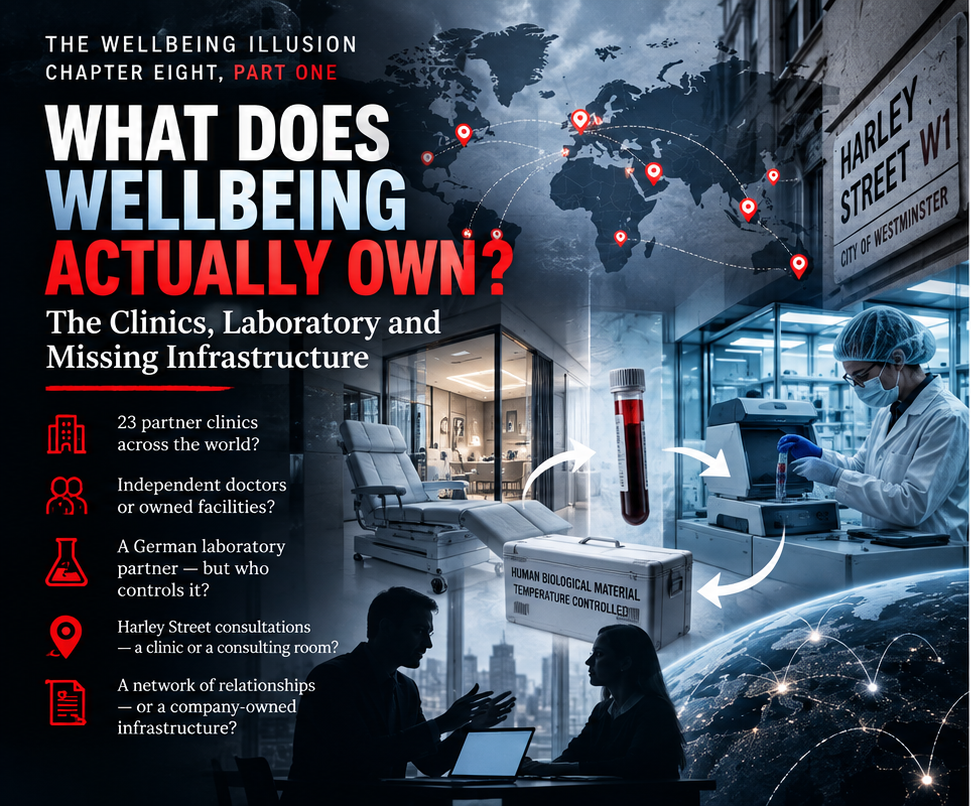
The exchange raises broader questions about how companies operating from prestigious medical districts — including London’s Harley Street — present expertise to the public.
QUESTIONS ABOUT QUALIFICATIONS
During the conversation, the undercover investigator challenged Ray on whether people might assume he was medically qualified due to his public-facing role.
Ray responded by reiterating that he holds a PhD rather than a medical licence.
Regulatory experts say this distinction is significant because UK medical law places strict boundaries around who can diagnose, treat, or present therapies as clinical interventions.
At no point in the recording does Ray claim to be a licensed medical practitioner.
HOW THE TREATMENT WAS DESCRIBED
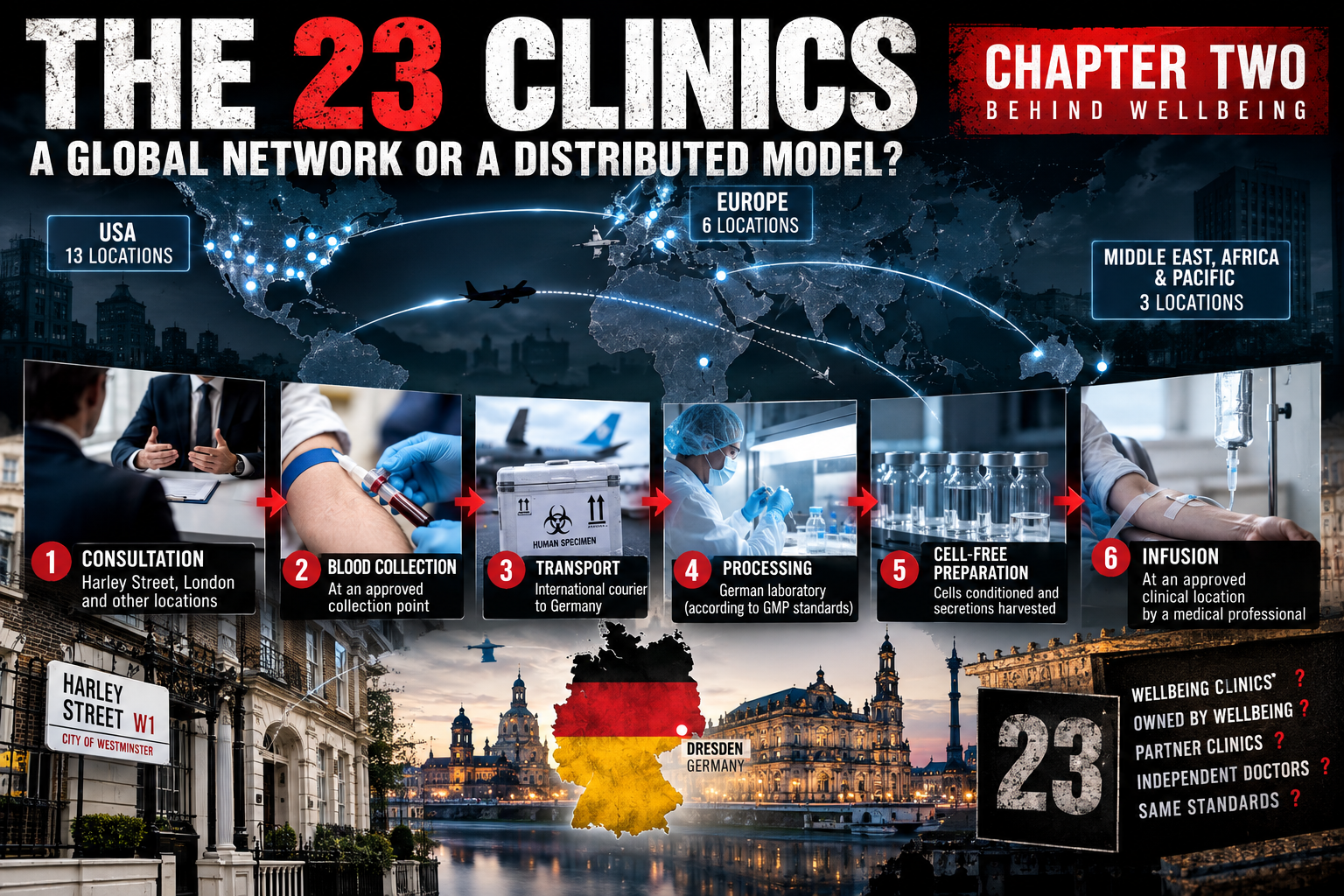
In one of the most detailed sections of the exchange, Ray outlined how the procedure works from his perspective:
- Blood is taken from the patient.
- Samples are sent to a laboratory in Germany.
- The material is later returned and reintroduced into the patient’s arm.
He described the process as involving “secretions that come off the stem cells,” rather than traditional stem-cell transplantation.
When asked directly whether he believed the process treats people, Ray responded:
“Yes it does… based on the research we’ve actually done.”
He also stated that he had spent decades developing the scientific approach behind the work.
COMPANY STRUCTURE AND LOCATION
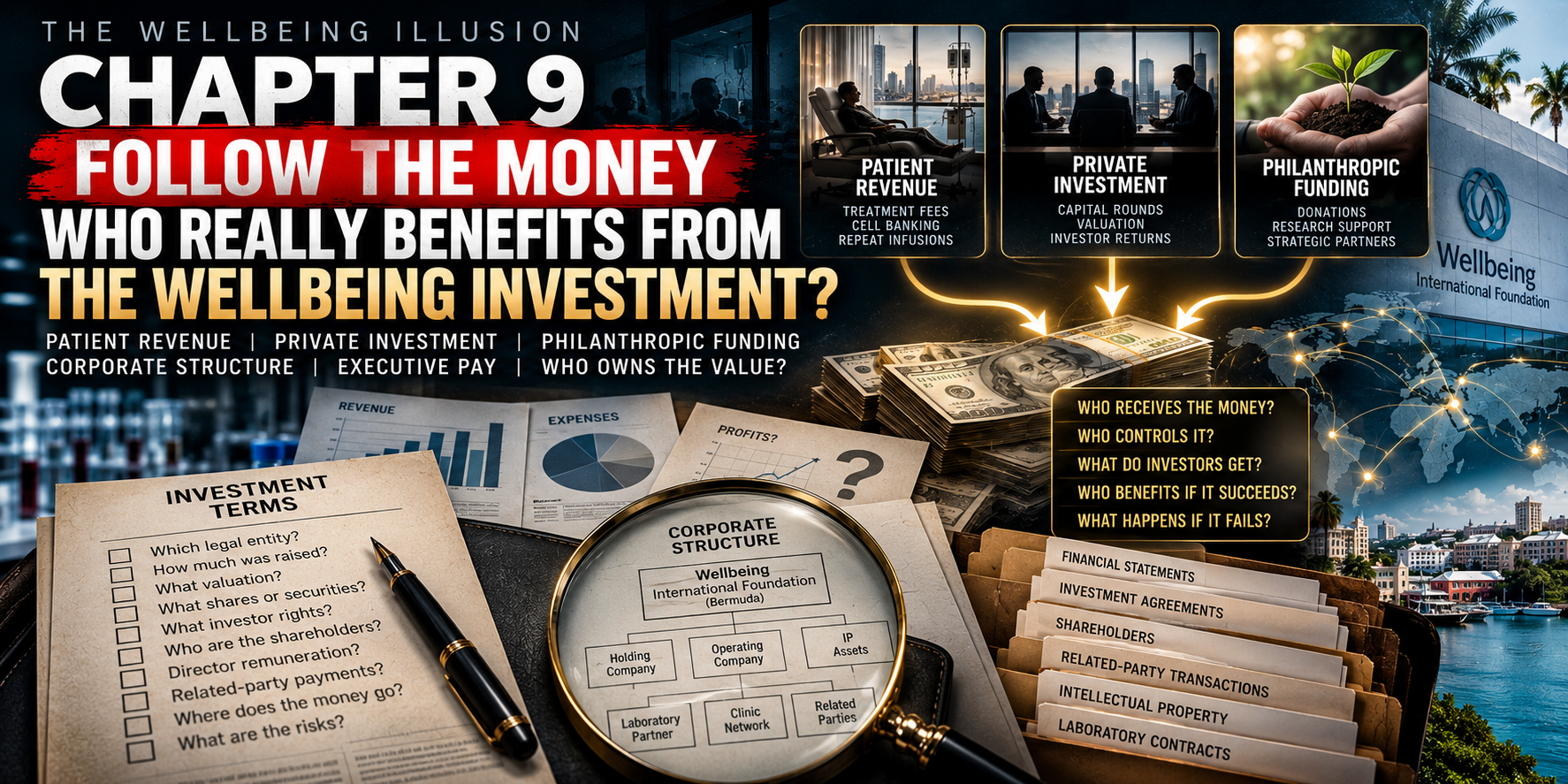
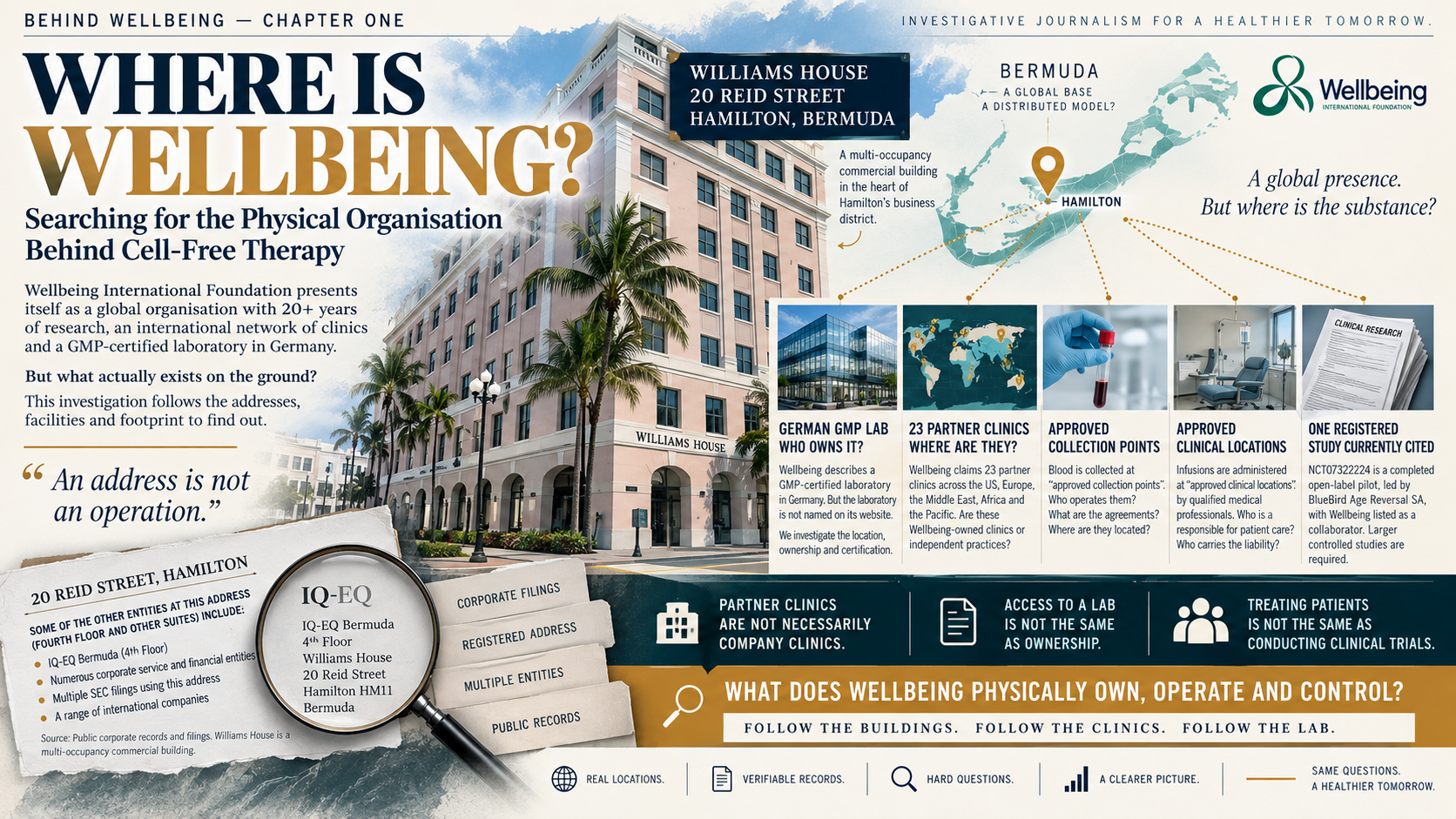
During the meeting, Ray confirmed that the company connected to the treatments is registered in Bermuda — a detail that has previously raised questions among critics about corporate oversight and jurisdiction.
When asked why the structure was based there, Ray said:
“Max has got various business interests over there… I just deal with the science.”
A GROWING INVESTIGATION
This recording forms part of a broader inquiry into the individuals and financial structures surrounding Wellbeing International Foundation.
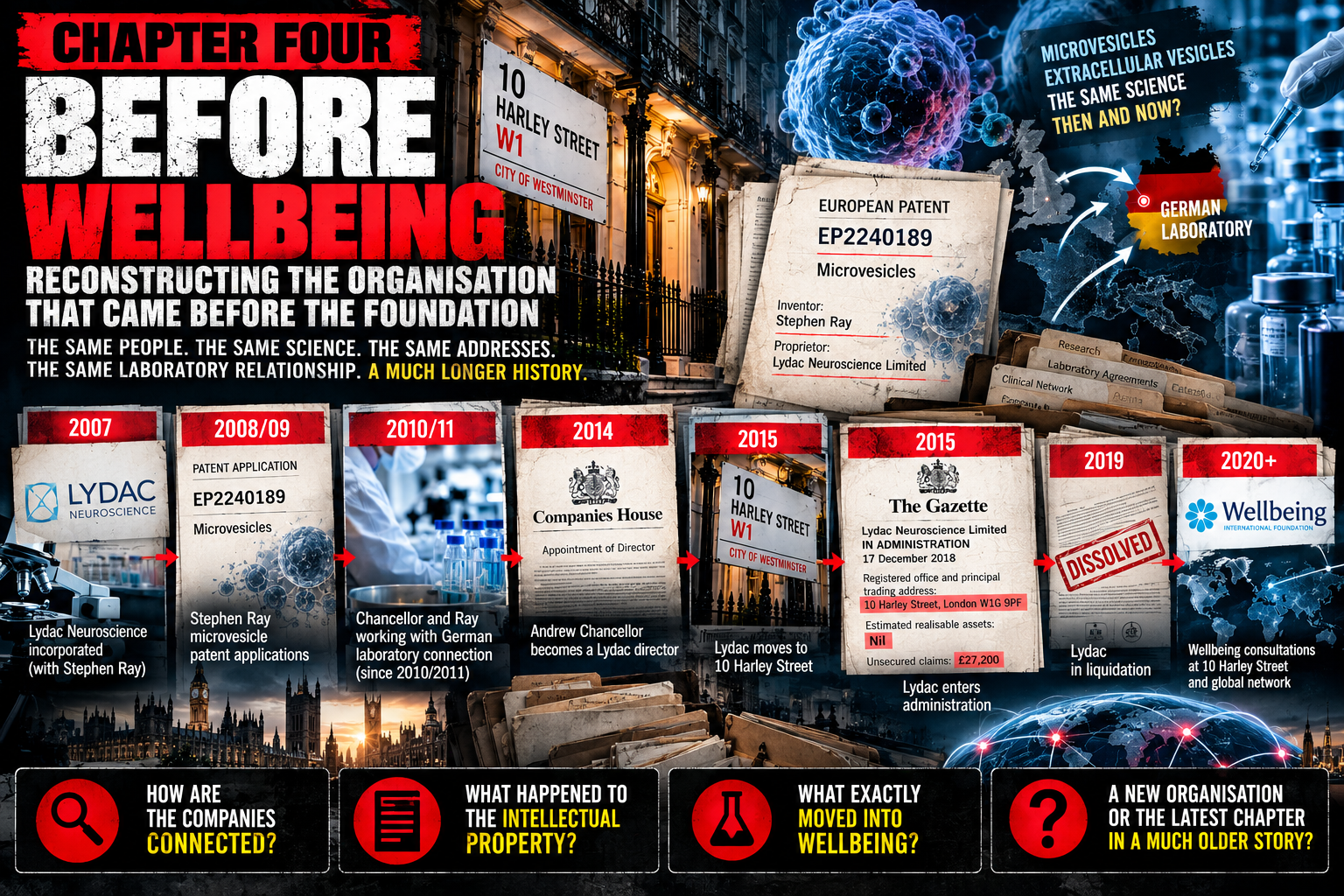
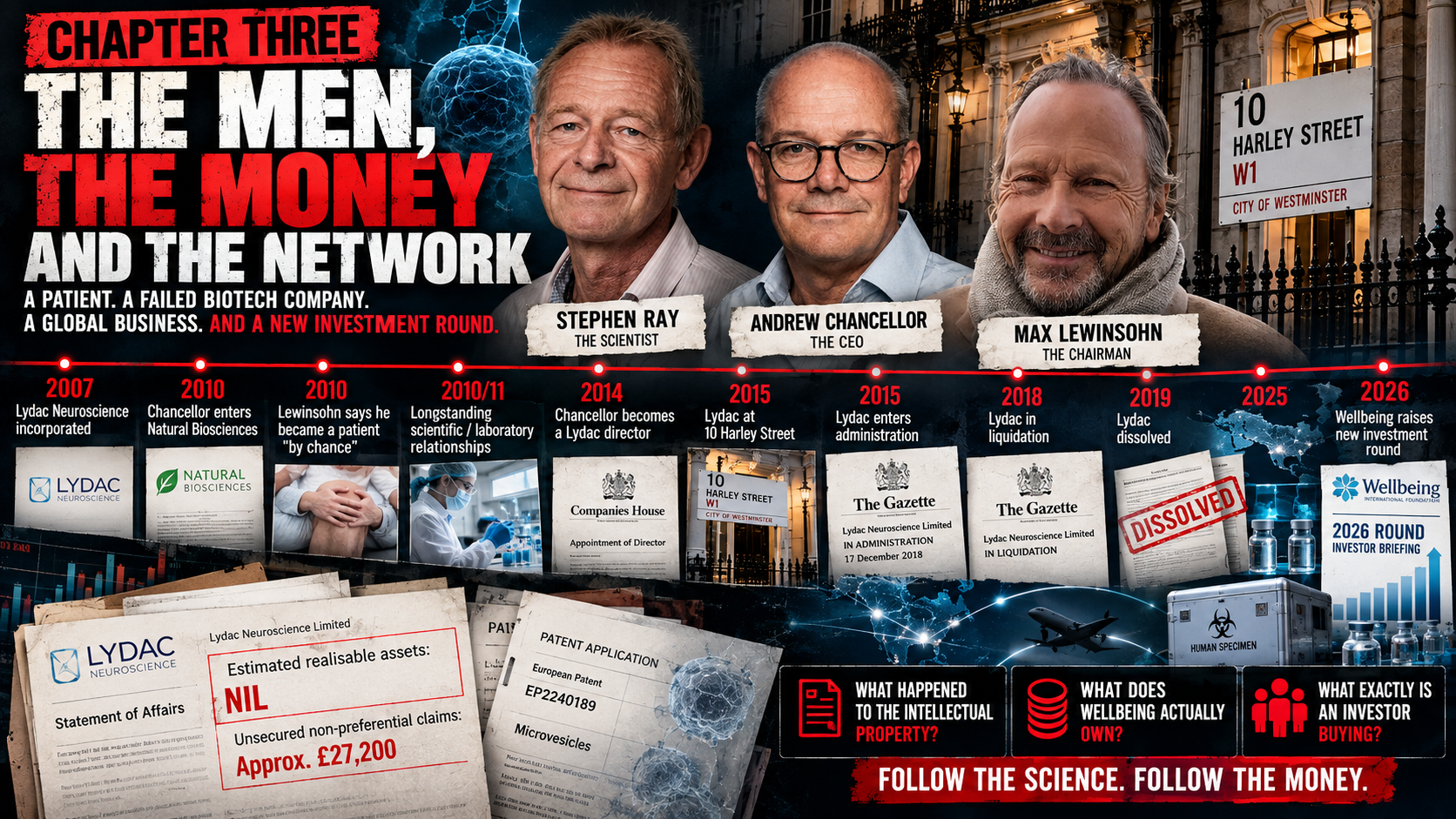
The investigation has already revealed a complex network of business relationships, offshore registrations, and historic corporate controversies linked to senior figures connected to the organisation.
Ray declined to speculate on allegations relating to colleagues or legal proceedings involving others, stating that his focus remained solely on scientific matters.