THE EVIDENCE GAP
What stem cell science actually proves — and what the global industry still cannot
There is a phrase that appears again and again in the world of stem cell therapy.
“Promising.”
It’s used in clinic brochures, in consultation rooms, across websites and testimonials. It sits just on the right side of certainty — strong enough to inspire belief, vague enough to avoid commitment.
But when you begin to follow the evidence — not the marketing, not the stories, but the data — that word takes on a very different meaning.
Because in science, “promising” is not the end of the story.
It is the beginning of a very long one.
What Has Actually Been Proven
Strip everything back, and the truth is both simple and uncomfortable.
Despite decades of research, thousands of studies, and billions in investment, the number of stem cell treatments that are fully approved, regulated, and clinically proven remains remarkably small.
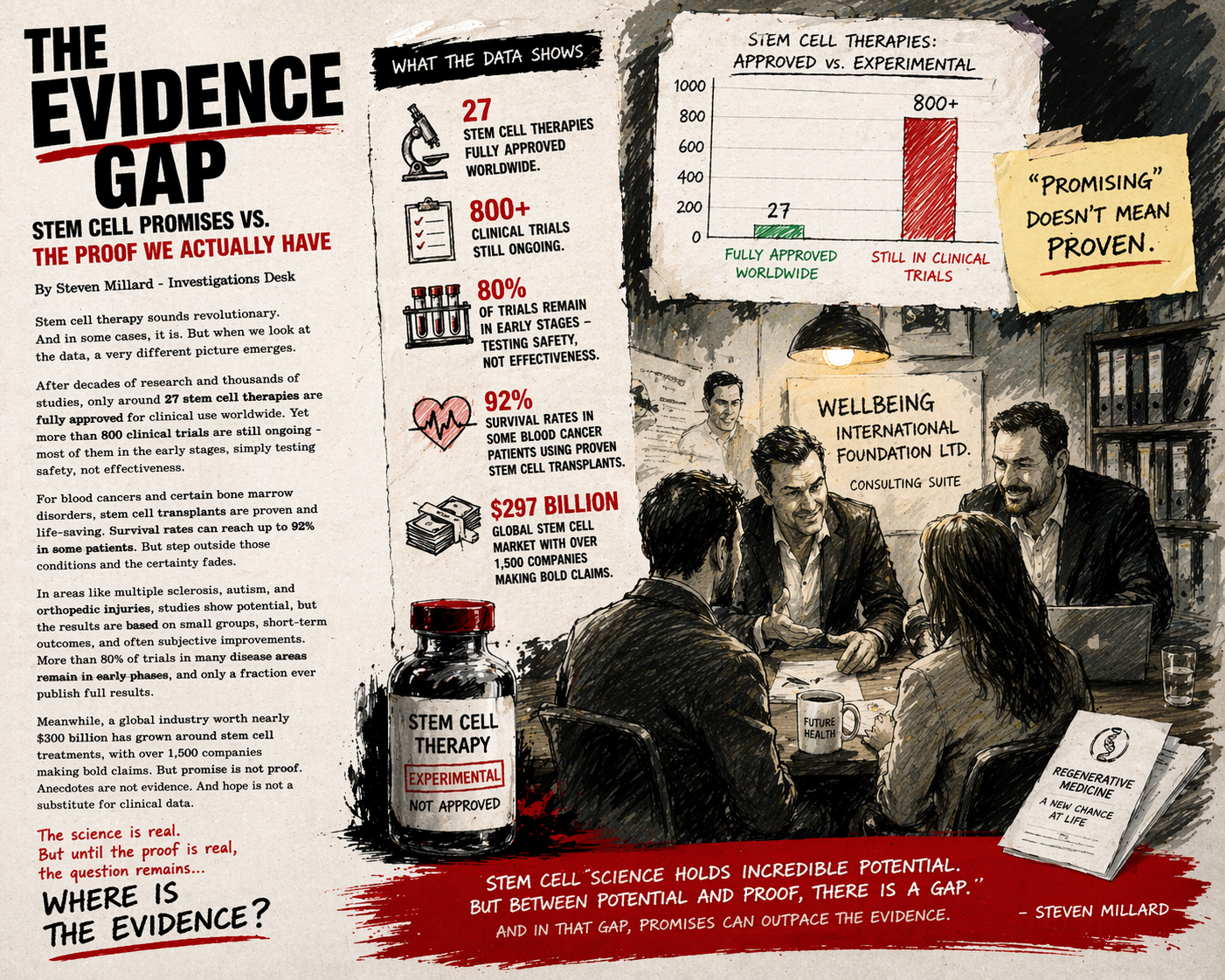
Globally, there are only around 27 stem cell therapy products approved for clinical use, across all countries and conditions combined. (PMC)
That number matters.
Because against it sits a vastly different figure:
More than 800 clinical trials are currently active, with many thousands conducted over time — the overwhelming majority still in early stages. (PMC)
And that gap — between what is being tested and what is actually approved — is where the reality of this industry begins to show.
The Illusion of Scale
From the outside, stem cell therapy looks like a booming, established field.
The global market has surged, reaching an estimated $297 billion, with over 1,500 companies now operating in the space. (PMC)
That scale suggests maturity. Confidence. Widespread success.
But look closer, and a different picture emerges.
Because while the industry has expanded rapidly, the evidence base has not kept pace.
Many of the studies that exist are:
- Small
- Short-term
- Early-stage (Phase I or II)
- Lacking rigorous control groups
In fact, more than 80% of stem cell trials in certain disease areas remain in early phases, where the goal is simply to test safety — not whether the treatment actually works. (PubMed)
And that distinction is critical.
A treatment can be safe…
without being effective.
Where It Does Work — And Why That Matters
To understand the truth, you have to separate real medicine from experimental ambition.
There are areas where stem cell therapy is undeniably effective.
Blood-related conditions — particularly cancers such as leukemia — have been treated successfully for decades using hematopoietic stem cell transplants.
Here, survival rates can reach:
- 60–70% for blood cancers
- Up to 92% survival in certain bone marrow disorders over three years (My Medicine Advisor)
These are not theoretical outcomes.
They are the result of:
- Controlled clinical trials
- Long-term follow-up
- Regulatory approval
This is what proven medicine looks like.
And importantly, it is delivered within tightly regulated hospital systems — not private, consumer-facing clinics selling treatment directly.
Where It Becomes Uncertain
Step outside those established uses, and the clarity begins to fade.
Take conditions like:
- Multiple sclerosis
- Autism
- Orthopedic injuries
- Neurological disorders
Here, the numbers become less definitive.
Some studies suggest:
- Around 60% disease stabilisation in MS trials
- 50–80% improvement in orthopedic conditions
- Variable improvements in neurological function
But these figures come with a crucial caveat.
They are often based on:
- Small sample sizes
- Short-term outcomes
- Subjective measures like pain reduction or “improvement”
Not long-term, replicated, large-scale proof. (My Medicine Advisor)
And in many cases, these treatments remain classified as experimental.
The Missing Proof
This is where the investigation sharpens.
Because for all the talk of success, one question remains surprisingly difficult to answer:
Where is the large-scale, definitive proof?
Across hundreds of trials, a consistent pattern appears.
Most studies:
- Involve fewer than 50 patients
- Are conducted at a single centre
- Do not progress beyond early phases
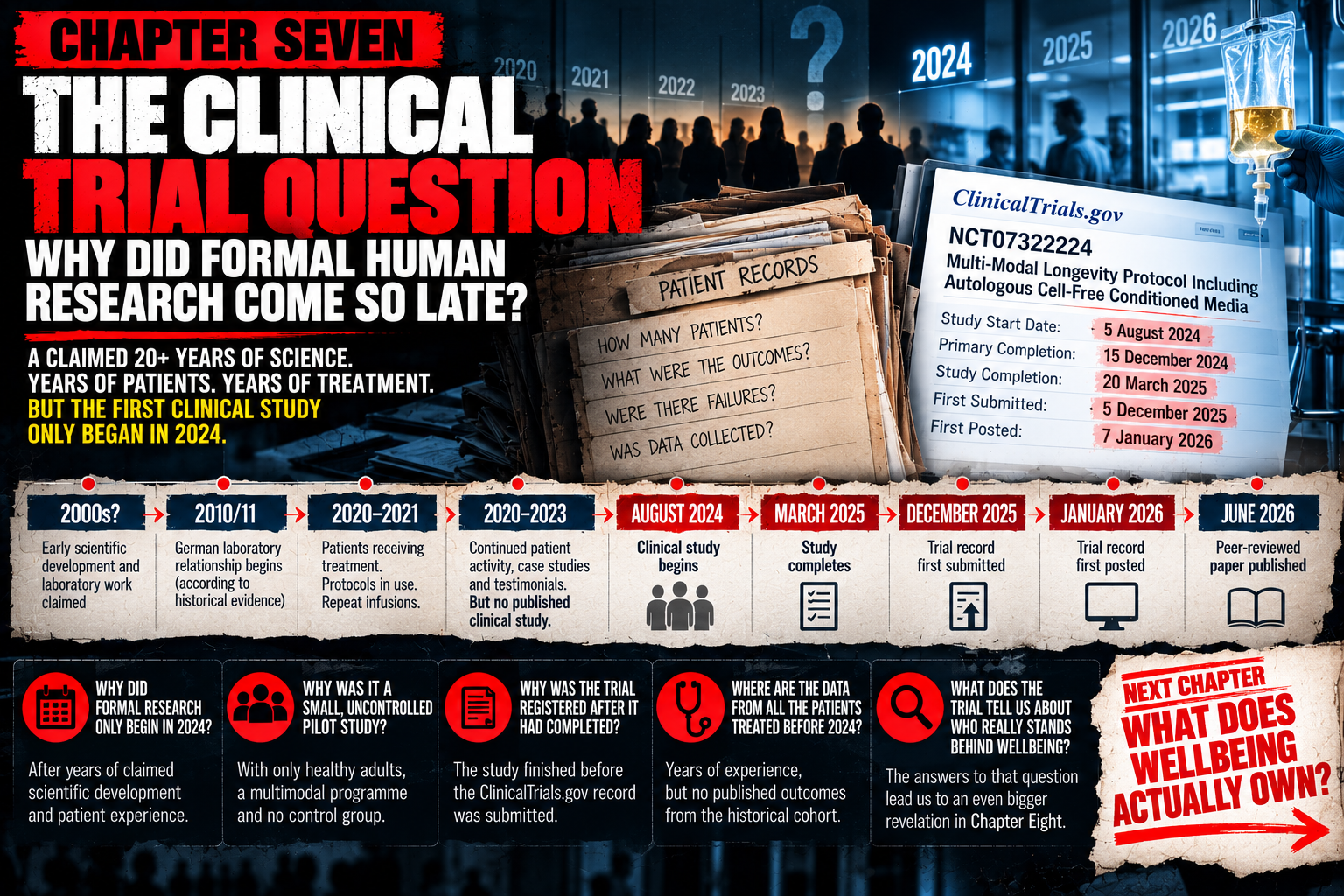
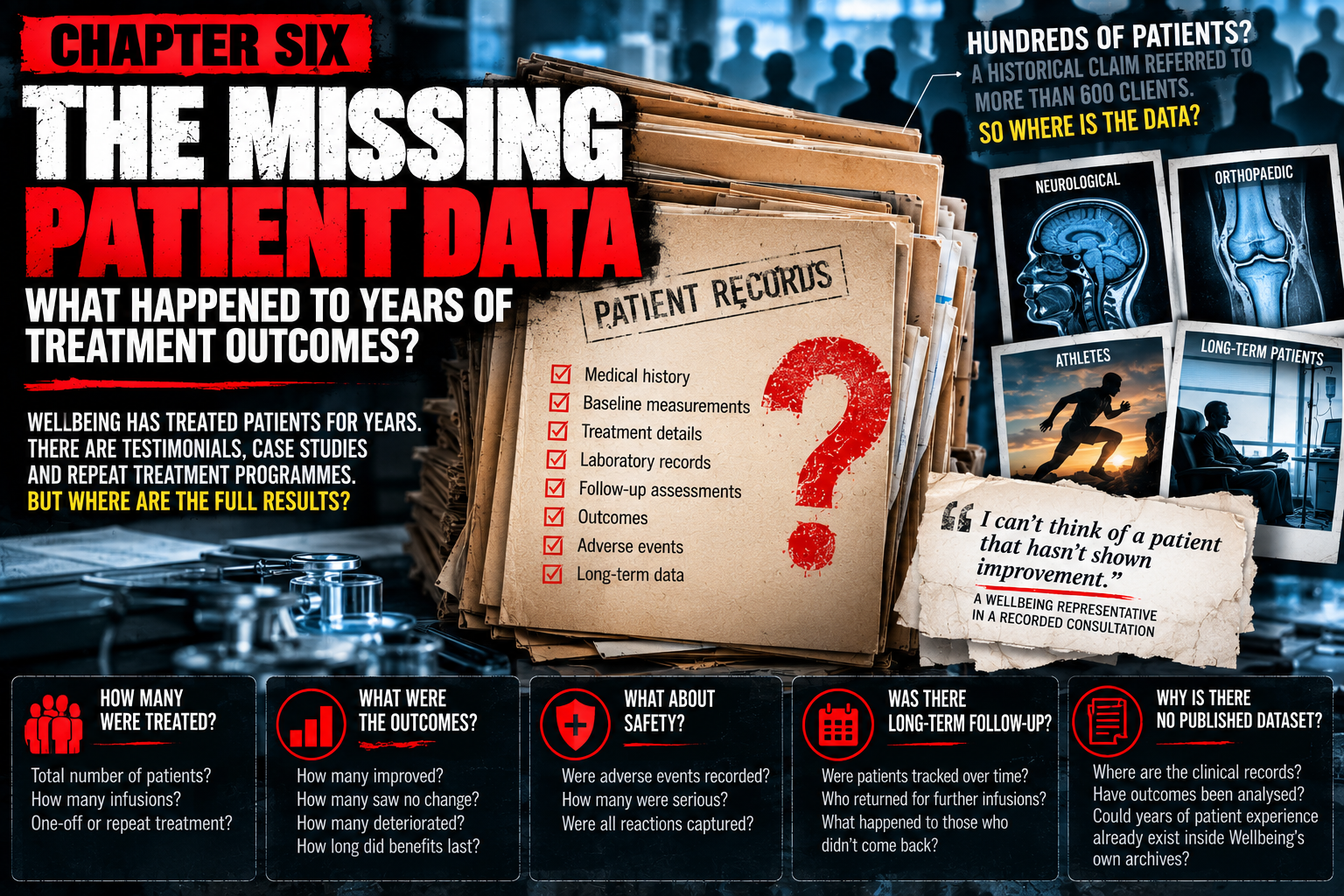
- Never publish full results
In one analysis, although over half of trials were completed, only a small fraction actually produced published results. (SpringerLink)
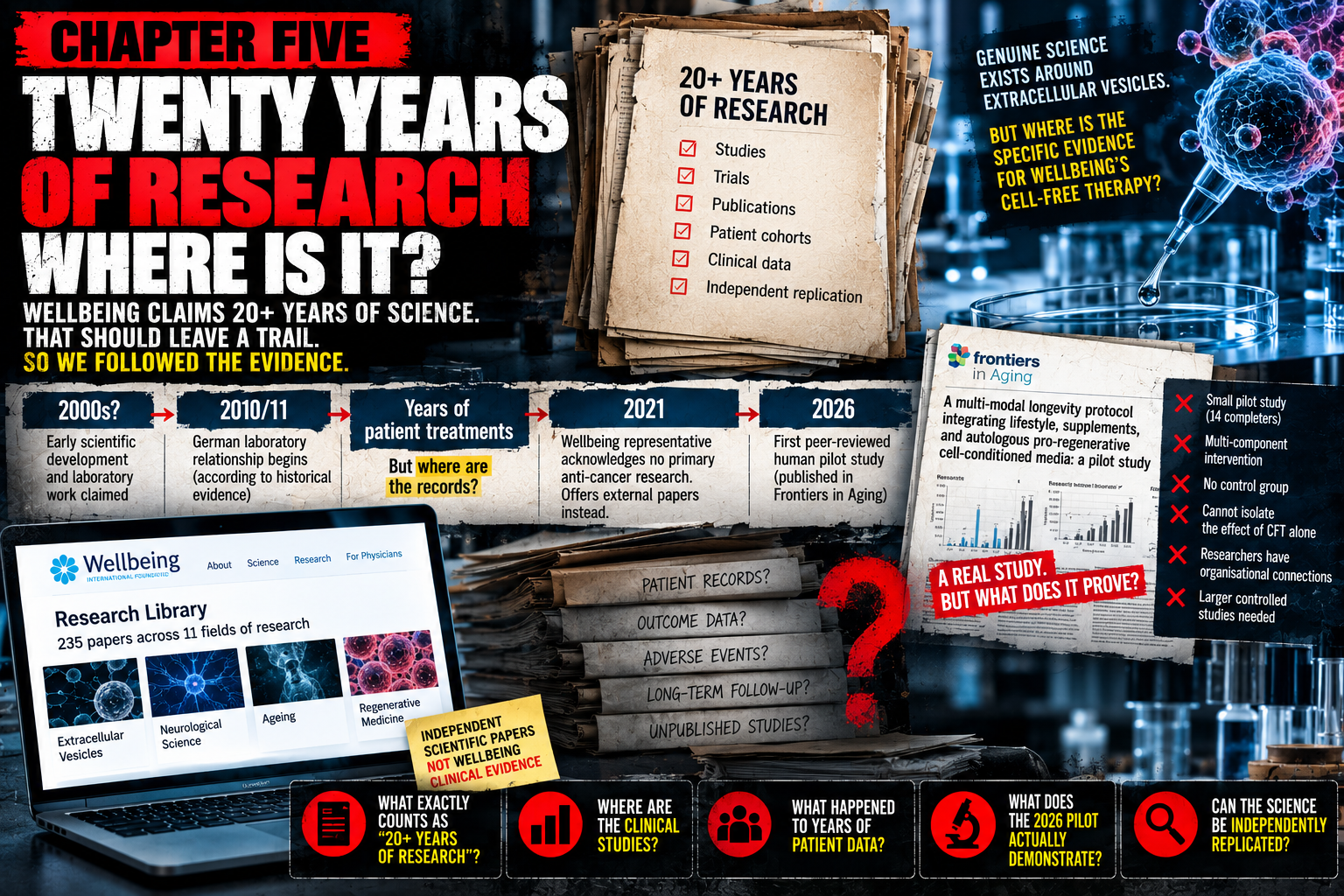
That means much of what is claimed in this field is not backed by widely available, peer-reviewed data.
And without that, something critical is missing:
Verification.
Why So Few Treatments Get Approved
It is not because stem cells do not work.
It is because proving they work is incredibly difficult.
To reach approval, a treatment must pass through multiple phases:
- Preclinical testing
- Phase I (safety)
- Phase II (early effectiveness)
- Phase III (large-scale validation)
Each stage requires:
- Time
- Funding
- Large patient groups
- Reproducible results
And most therapies fail somewhere along that path.
Not because they are dangerous —
but because they cannot consistently prove effectiveness at scale.
That is the standard medicine demands.
And it is a high one.
The Reality Patients Don’t See
For patients, this complexity is invisible.
They are not shown trial phases.
They are not given statistical breakdowns.
They are not told how many treatments never make it past early testing.
Instead, they are often presented with:
- Individual success stories
- Isolated improvements
- Carefully framed outcomes
But in science, anecdote is not evidence.
And improvement is not the same as cure.
A Breakthrough — And What It Really Means
Occasionally, a genuine breakthrough emerges.
In 2025, a gene therapy built on stem cell science showed a 96.6% success rate in preventing sickle cell crises in clinical trials. (theguardian.com)
It was celebrated — rightly — as a major advancement.
But look at the detail:
- It took years of development
- It underwent full clinical trials
- It was reviewed by regulators
- It is limited to a small group of patients
- It costs over £1 million per treatment
This is what real progress looks like.
Slow. Expensive. Controlled.
And very different from the broad, consumer-facing promises often seen elsewhere.
The Core Problem
At its heart, the issue is not whether stem cell therapy works.
In some cases, it clearly does.
The problem is this:
The science is real — but the application is inconsistent.
There is a growing divide between:
- What has been proven
- What is being tested
- And what is being sold
And in that divide, something has happened.
An industry has formed that operates ahead of the evidence.
The Final Reality
After all the research, all the data, all the studies, one conclusion becomes unavoidable.
Stem cell therapy is not a single thing.
It is a spectrum.
At one end:
- Proven, regulated, life-saving treatments
At the other:
- Experimental, unverified, commercially available procedures
And between the two:
A vast grey space.
The Question That Remains
Patients are not wrong to look for answers.
Science is not wrong to explore possibilities.
But when treatments are offered as solutions, the burden shifts.
It is no longer about what might work.
It becomes about what has been proven to work — consistently, safely, and transparently.
And until that proof is clear, accessible, and undeniable…
the most important question remains the simplest one.
Where is the evidence?